
Blog
What Are The Right Steps to Brew Gong Fu Tea?

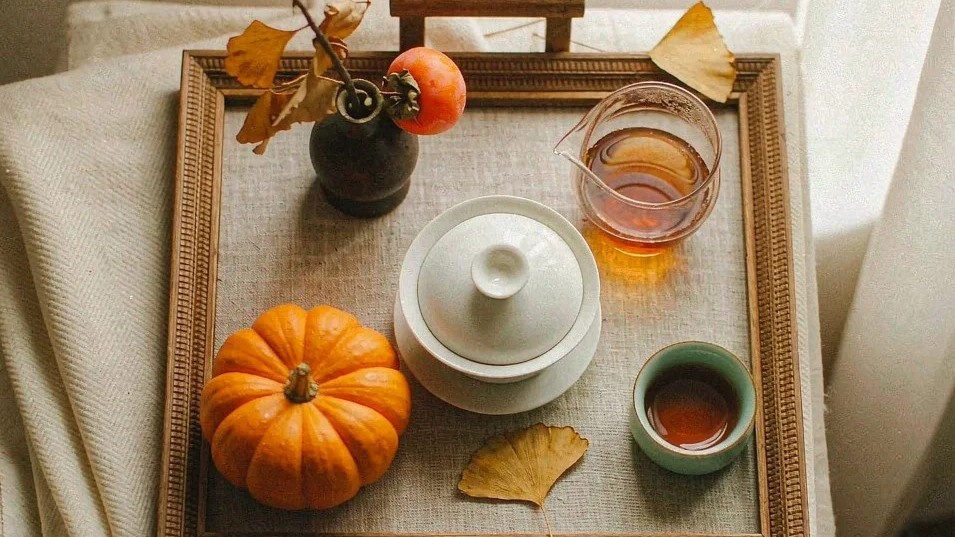
Table of Contents
Gongfu tea brewing is not a rigid performance, but a precise system based on flavor extraction principles. Through the brewing logic of “high tea-to-water ratio, precise temperature control, and second-level flash steeping,” Gongfu tea maximizes the extraction of aromatic compounds from loose leaf tea while avoiding the bitterness caused by excessive tannin release.
According to the Chinese tea culture research by The Metropolitan Museum of Art, this standard- and skill-focused drinking method has developed since the Ming and Qing dynasties and has become the ultimate path for tea connoisseurs to explore the layered flavors of tea liquor. Below is the standard 7-step guide to the Gongfu tea ceremony.
Pre-Brewing Setup: 3 Preparation Steps Before You Pour Water
Prep Step 1: Set Up Your Gongfu Tea Set on a Tea Tray
Gongfu tea emphasizes rinsing the pot and quick decanting. Setting up your utensils in a handy position in advance prevents scrambling or burning yourself during the actual timed brewing.
You need to sequentially arrange a fast-cooling, non-odor-absorbing porcelain gaiwan or Yixing clay teapot, a fairness cup (cha hai), a loose leaf tea strainer, and tasting cups on your Chinese tea tray.
A white porcelain gaiwan is the standard tool, and it allows you to smell the aroma on the lid, which is the fastest way to understand a tea’s current state.
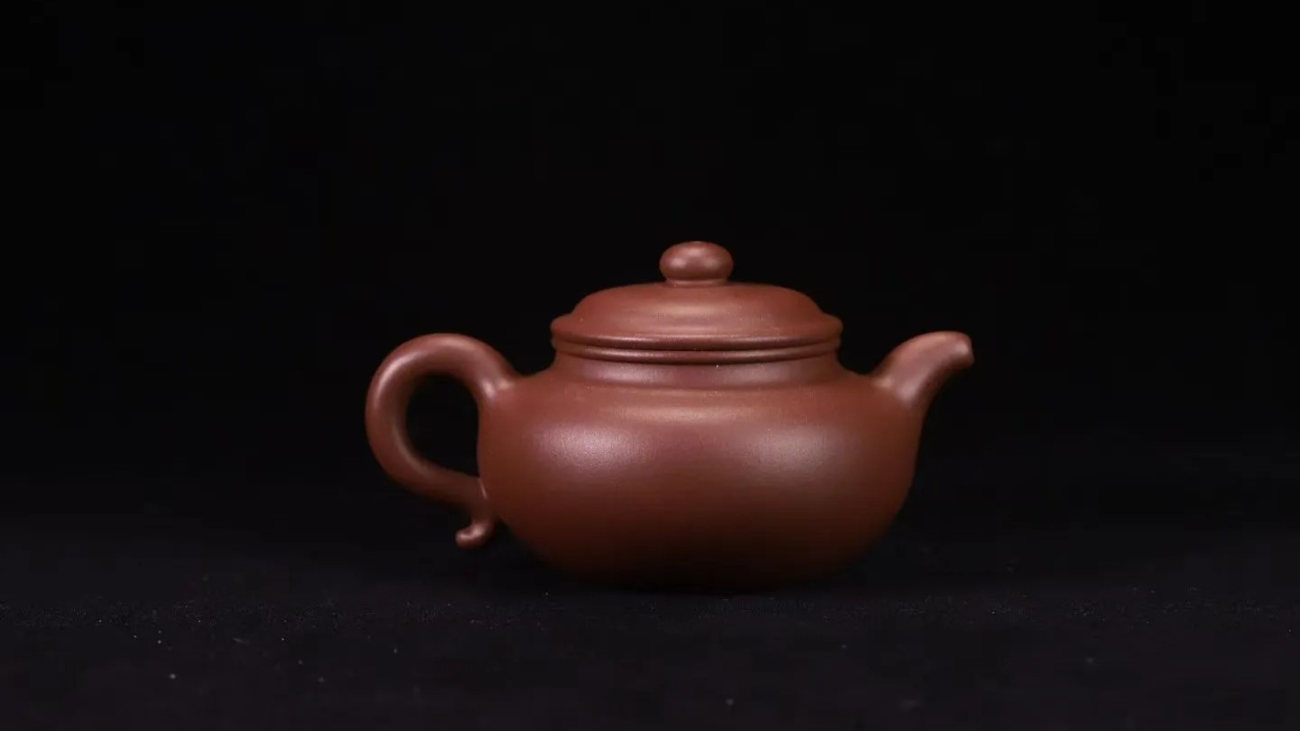
Mud-based vessels like a Zisha teapot are traditionally used for Pu-erh and heavily roasted Oolong, and they must be dedicated to one specific type of tea. We recommend the Yixing Clay Pot For Gongfu Set, handcrafted from 30-Year-Aged Purple Clay. Rich in iron, it effectively softens the water. The classic “Fang Gu” shape paired with a golden 150ml capacity and a built-in upgraded ball-hole filter system ensures an exceptionally smooth pour, making it the ideal choice for both beginners and veterans of Gongfu tea brewing.
Prep Step 2: How Much Loose Leaf Tea Per Cup
Gongfu tea is calculated based on the capacity of the main brewing vessel, with 5g–7g of dry tea for every 100ml of water (a tea-to-water ratio of about 1:15 to 1:20).
Oolong Tea: 5-7 grams (0.18-0.25 oz)
Pu-erh Tea: 6-8 grams (0.21-0.28 oz)
White Tea: 4-6 grams (0.14-0.21 oz)
Black Tea: 4-5 grams (0.14-0.18 oz)
Prep Step 2: How Much Loose Leaf Tea Per Cup
Use filtered water or spring water to boil. The minimum requirement is to bring it to a boil (100°C) and then let it cool.
According to authoritative research by the National Center for Biotechnology Information (NCBI) on how water temperature affects the extraction of antioxidants in tea, overly high water temperatures will instantly destroy the L-theanine in loose leaf green tea and release a large amount of bitter catechins.
| Tea Type | Water Temp |
| Green Tea | 80℃ |
| Yellow Tea | 85-90℃ |
| White Tea | 90-100℃ |
| Oolong Tea | 100℃ |
| Black Tea | 90-95℃ |
| Dark Tea | 100℃ |
The 7-Step Gongfu Tea Ceremony
Step 1: Warm and Rinse the Gongfu Teaware
Pour hot water into the ceramic teapot or gaiwan, swirl it a few times, and pour it out to pre-warm the teaware and remove any internal odors.
Similarly, rinse the tea cups with hot water to ensure each cup is evenly warmed.
Cold porcelain will instantly steal 10°C–15°C of heat from the hot water. Warming the cups locks in the initial brewing temperature and uses the residual heat to prepare for “awakening the aroma” in the next step.
Step 2: Add Tea Leaves and Awaken the Dry Aroma
While the inside of the gaiwan or Yixing clay teapot is still warm and humid, pour the weighed loose leaf tea into the vessel.
With a gaiwan, you can use a tea scoop directly to place the tea, and the amount depends on the type of tea and personal preference. For detailed ratios, please refer to How Much Tea Is in a Gaiwan?
When using a tea pot, you may need a tea funnel to help insert the tea. The ratio is generally about one-third of the teapot’s capacity. Lightly tap the teapot to distribute the leaves evenly.
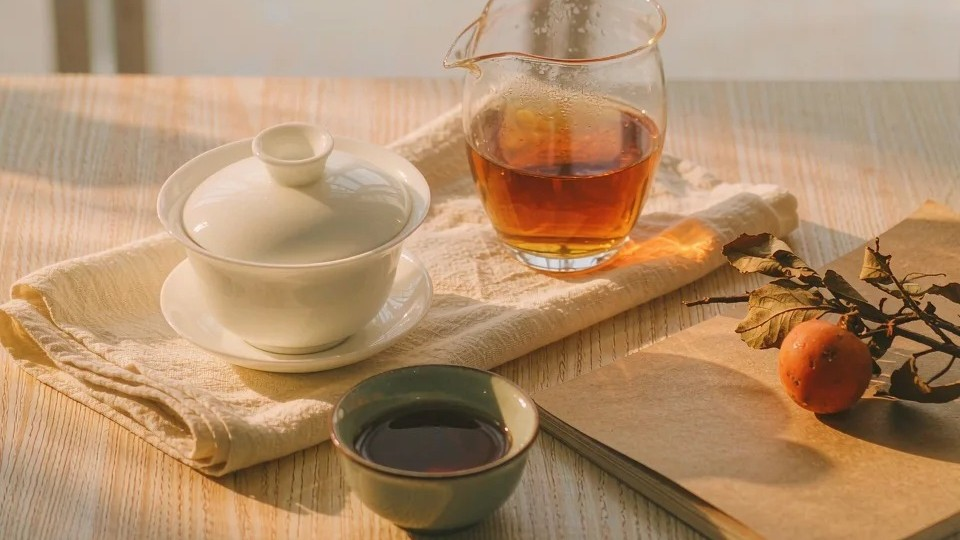
Then put the lid on, gently shake it up and down 2–3 times, open the lid slightly, and lean in to smell the caramel, floral, or orchid aroma of the dry tea steamed by the heat.
Step 3: Rinse and Awaken the Tea Leaves
Slowly pour hot water in a circular motion along the edge of the teapot or the wall of the bowl, allowing the water flow to evenly cover the surface of the tea leaves, which helps to stimulate the tea aroma.
Immediately cover with the lid once the water covers the leaves, and quickly decant and discard this infusion within 3–5 seconds.
This step is called “Waking the Tea,” and its purpose is to cleanse the tea leaves, allow compressed tea to unfold, and ensure the subsequent even release of inner contents.
Step 4: Pour Water and Flash Steep the First Infusion
The second infusion marks the start of the formal brewing. Control the steeping time based on the tea type and personal preference.
When pouring water, the most important thing is to pay attention to the water temperature, as different teas require different temperatures. If you need to lower the temperature, you may use a cha hai / fairness cup to cool it down.
When pouring into a gaiwan, you can pour from a height to make the leaves tumble. During steeping, you can use the lid to turn the leaves, helping them unfold more easily.
Step 5: Decant Every Last Drop into the Fairness Cup
When pouring into a teapot, avoid pouring too fast to prevent the leaves from flushing out of the pot. After injecting boiling water, the high temperature will create foam in the teapot, which can be gently wiped away with the teapot lid. Not sure how to choose between a gaiwan and a teapot? Please read Gaiwan vs. Teapot.
Once steeping is complete, pour the tea liquor from the teapot into the fairness cup, and then distribute it evenly into each teacup to ensure every drinker tastes the same concentration of tea.
Open the lid to leave a 2–3 mm pouring gap (which allows smooth pouring while blocking the leaves). Use your thumb and middle finger to grip the outermost flared rim of the gaiwan, and press the lid knob with your index finger (Three-Finger Grip). Decant the tea liquor decisively and steadily through a tea strainer into the fairness cup. For detailed gaiwan usage, please refer to How to Use Gaiwan Tea Set.
Afterward, leave the gaiwan lid half-open on the rim to dissipate heat (preventing the boiling steam from “stewing” the wet leaves and making them bitter).
Step 6: Pour into Small Gongfu Tea Cups and Savor
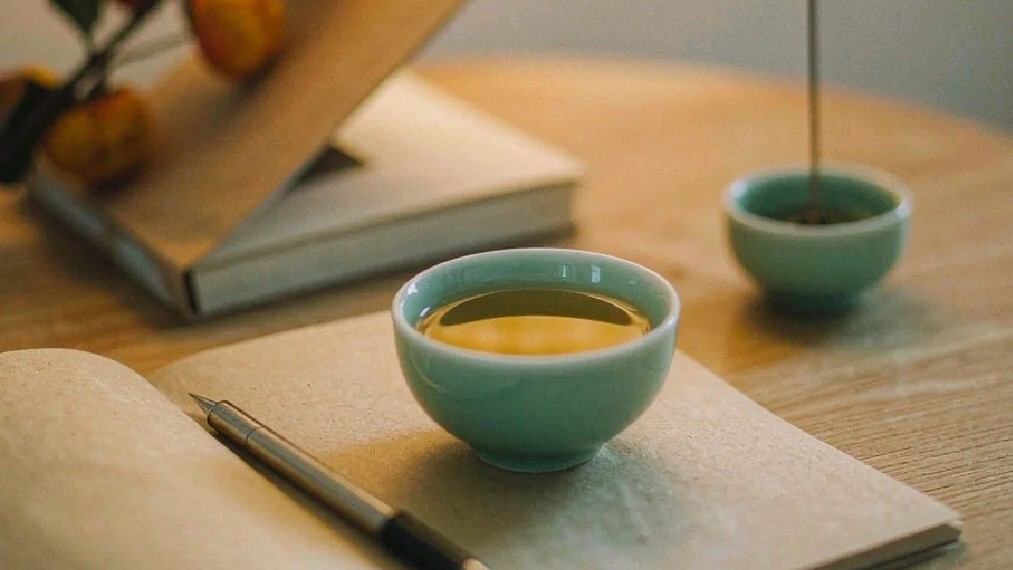
Pick up the fairness cup and evenly distribute the tea liquor into the small tasting cups. Fill the cups to 70%, serve the guests before the host, and sip slowly in three mouthfuls.
Pick up the tea cup, first observe the color of the tea, smell the aroma, and then take a light sip, carefully savoring the taste and mouthfeel of the tea.
Then hold the tasting cup and sip slowly in three mouthfuls: the first sip tests the temperature, the second sip swirls in the mouth to smell the aroma, and the third sip swallows slowly to taste the returning sweetness (Hui Gan).
We recommend using the Glaze Crystal Ceramic Teacup. This 80ml handcrafted douli cup features a unique crystalline glaze finish where natural crystal patterns bloom across the surface like delicate blossoms. Crafted using ancient kiln-transformation techniques, its interior texture perfectly highlights the tea’s natural hues, offering a dual visual and gustatory enjoyment while ensuring no two cups are exactly alike.
Step 7: Re-Steep and Pace Your Subsequent Infusions
After drinking the first infusion, repeat Step 4–Step 6.
Time increment formula:
2nd infusion: The tea leaves have just fully unfolded, releasing flavor the fastest. Keep the steeping time at 10–15 seconds (or even 2 seconds shorter than the 1st infusion).
3rd–5th infusions: Add 5–10 seconds to the previous steeping time for each subsequent steep (e.g., 20s → 30s → 40s).
6th infusion and beyond: Add 15–30 seconds each time, and bring the water back to a boil until the tea liquor turns to a sweet, clear water taste.
Post-Brewing Steps
Why Did My Gaiwan Burn My Fingers or Taste Bitter
A hot gaiwan is partly due to choosing the wrong one, and partly due to holding it incorrectly.
The gaiwan tea set capacity should not exceed 150ml; otherwise, it will be strenuous to lift. The rim must be wide; otherwise, your fingers will directly touch the hot bowl body. Choose a thin-walled material for fast heat dissipation.
This 150ml Gaiwan Tea Cup with Lid is fired at 1350°C, and its naturally formed Snowflake glaze offers a jade-like touch. Its wide flared rim design perfectly accommodates the three-finger grip, effectively preventing burns.
Do not fill the water beyond 80%. When using the three-finger method, do not clasp your index finger tightly into the lid knob groove, and do not wrap your palm around the bowl body.
If the tea tastes bitter, check if Step 5 took more than 8 seconds to decant (a gap too small makes the flow too slow), or if you forgot to leave a gap for ventilation after decanting.
How to Clean and Season Your Gaiwan and Yixing Teapot
While still hot, scoop out the spent leaves, admiring the fully unfurled whole leaves (this is also the final step in judging tea quality).
Rinse the porcelain gaiwan, fairness cup, and tea cups with boiling water, and wipe away water stains with a dedicated tea towel.
If you are using a Yixing clay teapot, never use any dish soap. Simply rinse the inside and outside with boiling water and leave the lid open to air dry naturally, allowing the tea oils to naturally develop a patina (seasoning) in the Zisha pores.
Summary
Mastering these 7 steps can not only drastically improve the taste of your tea liquor, but also help you find a moment of focus and tranquility in a fast-paced life. As advocated by the Tea Association of the U.S.A. for specialty tea culture, high-quality tea requires matching brewing techniques and professional teaware. You too can perfectly replicate a master-level Gongfu tea ceremony experience at home!
FAQ
Can I brew Gong Fu tea without a full gongfu tea set?
Yes, a porcelain gaiwan does not absorb aromas or alter flavors, restoring the original taste of the tea, so it is suitable for all tea types.
How many times can you re-steep loose leaf tea in Gongfu brewing?
Usually, green tea/black tea can be steeped 5–6 times, while high-quality, highly aromatic loose leaf oolong tea, aged white tea, and Pu-erh can reach 8–15 infusions or more.
Do you always need to rinse tea leaves before the first infusion?
Compressed tea (tea cakes) and curled Oolong tea must be rinsed with warm water for 5 seconds to awaken them, whereas tender loose leaf green tea, black tea, or matcha do not need rinsing, to avoid washing away the refreshing L-theanine and pekoe aroma.


One thought on “What Are The Right Steps to Brew Gong Fu Tea?”