
Blog
Can Mold Grow in a Cracked Ceramic Teacup? Safe or Toss?


Table of Contents
Yes, mold can definitely grow inside a cracked ceramic teacup.
If the crack is on the interior wall, along the rim, or leaking, stop drinking from it immediately. Once the surface glaze breaks, tea, tannins, and moisture seep into the porous clay underneath, creating a hidden breeding ground that neither dishwashers nor boiling water can fully eliminate.
Below, we break down how mold develops, show you how to tell the difference between harmful cracks and artistic crackle glaze, and share safe replacement and repurposing options.
Why Cracked Ceramic Teacups Grow Mold
Porous Clay Beneath the Glaze
While ceramic itself is not easily eroded by mold, any crack on the surface traps organic matter like tea liquid, tea stains, sugars, and proteins—providing a “nutrient source” for mold growth.
The waterproof performance of a ceramic tea cup relies entirely on its glaze layer; once the glaze cracks, the unvitrified clay underneath absorbs liquid like a sponge.
As noted in the US EPA’s mold cleanup guide, once mold penetrates the crevices of porous, absorbent materials, it is often extremely difficult—or even impossible—to remove completely.
Tea tannins and moisture stay trapped deep inside the fissures, where neither a dishwasher nor handwashing can dry them thoroughly. Not sure how to choose between glazed and unglazed vessels? Read: Glazed vs Unglazed Ceramic Teacups: Which Is Right for You?
Structural Cracks vs. Crackled Teacup Glaze
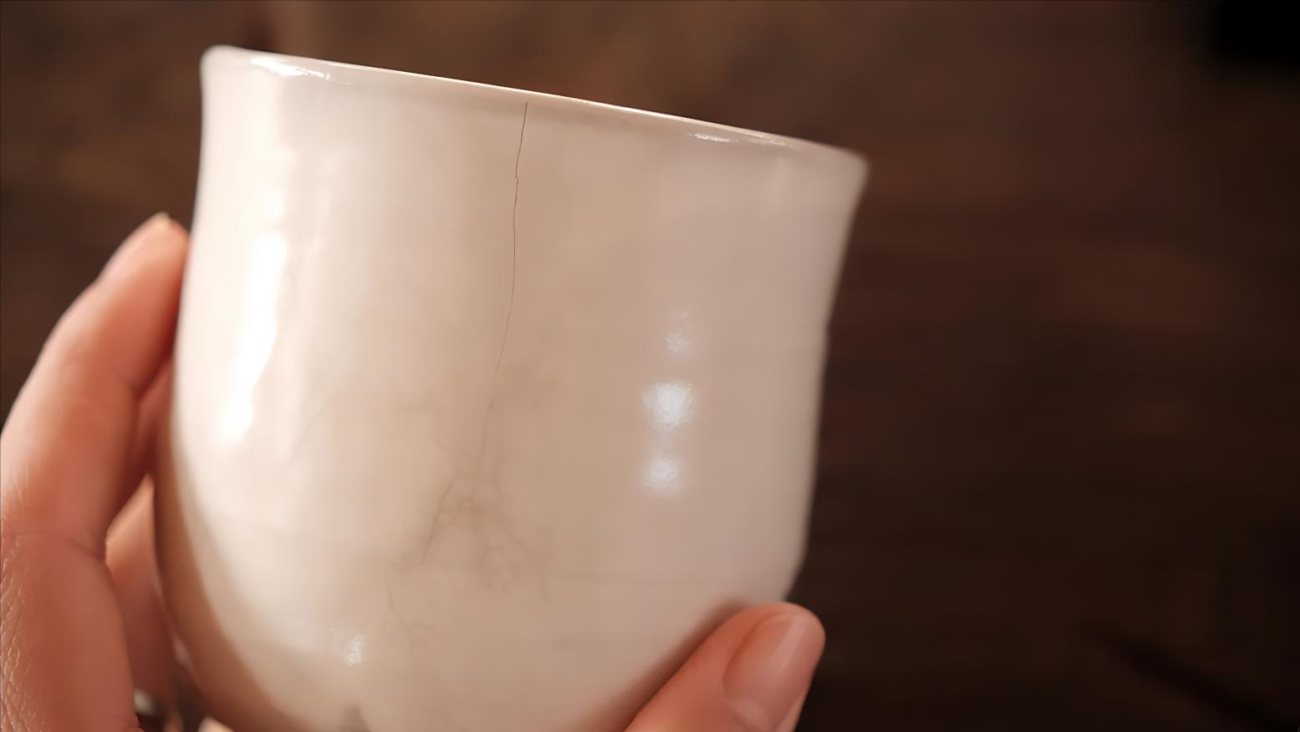
Not all “cracks” are harmful: intentional crackle glaze is a normal craft feature, whereas impact-induced structural cracks are a real hazard.
Intentional Crackled Teacup Glaze: Crackle patterns are controlled glaze lines formed by the difference in shrinkage rates between the porcelain body and glaze during firing. A proper crackled teacup feels smooth to the touch with no snagging, has a dense, non-leaking clay body, and is a deliberate artisanal feature. Take these Handmade Tea Cups with Ice Crackle Kiln Glaze, for example—wood-fired at 1300–1350°C to develop a signature Oxblood Red ice-crackle pattern; the 60–80 ml hand-shaped vessel is crafted specifically for gongfu tea, with one-of-a-kind crackle lines on every piece, and is safe to enjoy daily as long as you rinse and dry it thoroughly after use.
Structural Cracks: A dropped or bumped broken ceramic teacup develops disorderly, harmful fractures with sharp, rough edges that catch on your fingers. These cracks can run deep into the clay body, causing leaks and trapping grime, making it a defective piece.
Why Boiling Water Isn’t Enough
Pouring boiling water over a cracked ceramic teacup or boiling it for 5 minutes will not make it safe again—and may actually cause the cup to crack open from the heat.
Continuous boiling for over 5 minutes can kill most surface bacteria, but cracks easily trap grime where water flow cannot reach every surface, allowing lingering bacteria, mold spores, or toxins to survive.
Mold may have already penetrated deep into the material’s crevices, making it impossible to remove thoroughly with ordinary washing and creating a health risk if you keep using it.
The USDA FSIS guide on mold safety clearly states that mold threads root deeply into porous substrates, and accompanying bacteria and toxins cannot be eliminated through simple surface treatments.
Beyond hygiene, cracks severely weaken the structural strength of a tea cup.
When hot water is poured in or the cup faces sudden temperature swings, uneven expansion between the inner and outer walls can easily cause the ceramic teacup to burst suddenly or shatter completely.
Not only will that ruin a good cup of tea, it can also cause direct physical injuries such as scalds, cuts from sharp shards, or even eye injuries.
Rather than risking repeated boiling and rinsing, it is better to switch to a comfortable new tea cup; if you are unsure which shape suits you best, check out: 10 Types of Chinese Tea Cups: Are You Drinking It Right?
Is a Cracked Teacup Safe to Drink From?
Signs of Mold and Bacteria Inside
If you notice any of the following signs, the inside of the crack is already contaminated and you must stop using it immediately:
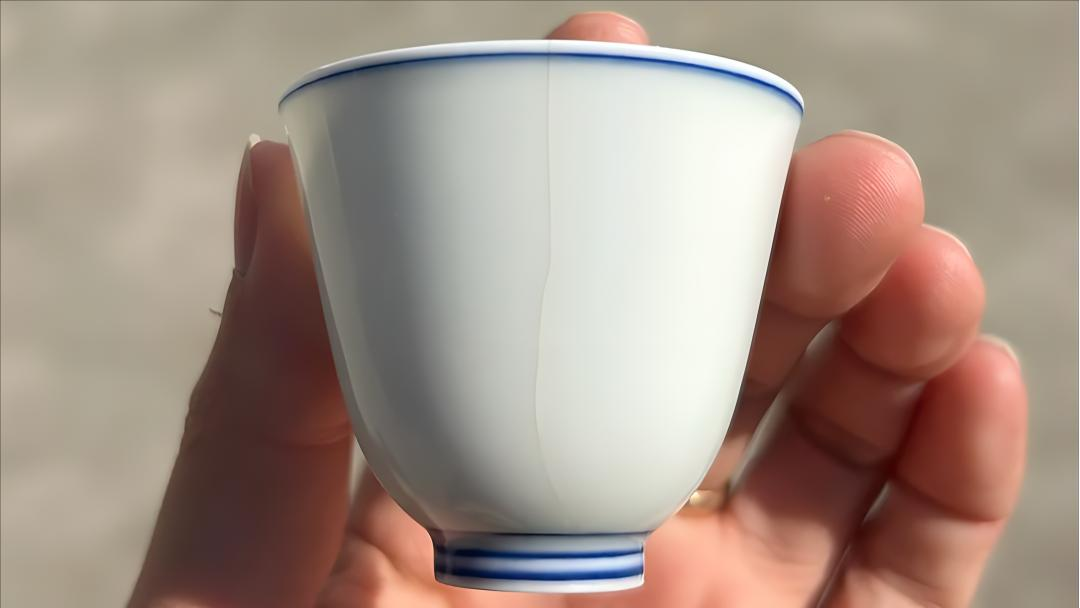
- Visual Check: Black, green, white, or yellow fuzzy or cottony spots along the interior walls, bottom, or crevices, or irregular yellowing and graying patches on light-colored tea cups.
- Smell Check: After washing thoroughly (with no detergent residue), smell it closely for any musty, sour, fishy, or other unusual odors.
- Touch Check: A slimy or slippery feel on the inner wall, or wiping with a clean paper towel/cloth leaves black or green streaks, or stains that refuse to wipe off completely.
Ceramic vs. Porcelain Teacup Risks
The lower the firing temperature and the more porous the clay body, the faster mold grows after cracking. Categorized by ceramic vitrification and water absorption:
Earthenware ceramic tea cups are mostly made from ordinary clay, fired at lower temperatures (typically <1000°C), with high water absorption (>5%) and a loose structure, causing mold to breed rapidly once cracked.
High-fired porcelain tea cups are made from kaolin, quartz, and similar minerals, fired at ≥1200°C, with a dense structure and ultra-low water absorption (≤1%); yet even with a dense, low-absorption body, a porcelain teacup with deep cracks still carries the risk of trapping grime and suddenly breaking apart.
Therefore, whether you use earthenware ceramic tea cups or porcelain tea cups, always clean tea stains promptly, avoid scratching the glaze with hard objects, and replace any damaged piece right away.
To dive deeper into the differences between the two, read: Porcelain vs Ceramic Teacups, Which Is the Best?
When to Toss a Broken Teacup
The bottom line is simple: if a crack touches your lips, touches your tea, or leaks water, stop drinking from it altogether.
As long as a crack lies along the interior tea-contact zone, on the lip rim, or shows signs of leaking, do not drink from that ceramic teacup; even if there is only a fine exterior hairline crack or a small chip on the bottom with no leaking, retire it to non-drinking use as soon as possible.
What to Do With a Cracked Ceramic Teacup
Can You Clean or Seal a Cracked Cup
A cracked ceramic cup is not recommended for holding liquids again—even after cleaning or sealing, safety hazards and hygiene risks remain.
A tea lover on Reddit even asked how to clean and handle one—here are a few emergency repair options:
Emergency repair (non-food use): You can apply food-grade silicone sealant (confirm it is heat-resistant) along the crack; once dry, it can briefly hold cold water, but cannot be used for hot water or microwaving.
Professional restoration: You can take it to a porcelain repair studio for crafts like Kintsugi (filling with gold powder) or ceramic stapling (drilling and binding with metal staples), which restore its beauty—though some restored pieces are still not recommended for acidic drinks.
DIY repairs are not advised: Never use superglue (such as 502 glue) or other non-food-grade adhesives, as they release harmful substances at high temperatures and endanger your health.
Creative Ways to Repurpose It
Minor flaws do not stop a broken ceramic teacup from getting a second life as a planter, pen holder, or other creative container.
You can line the bottom with clay pebbles to make a mini desk succulent planter, turn it into a handmade scented candle holder, or use it as a desk pen cup or jewelry tray—eco-friendly and completely free of health risks.
Choosing a Durable Replacement Teacup
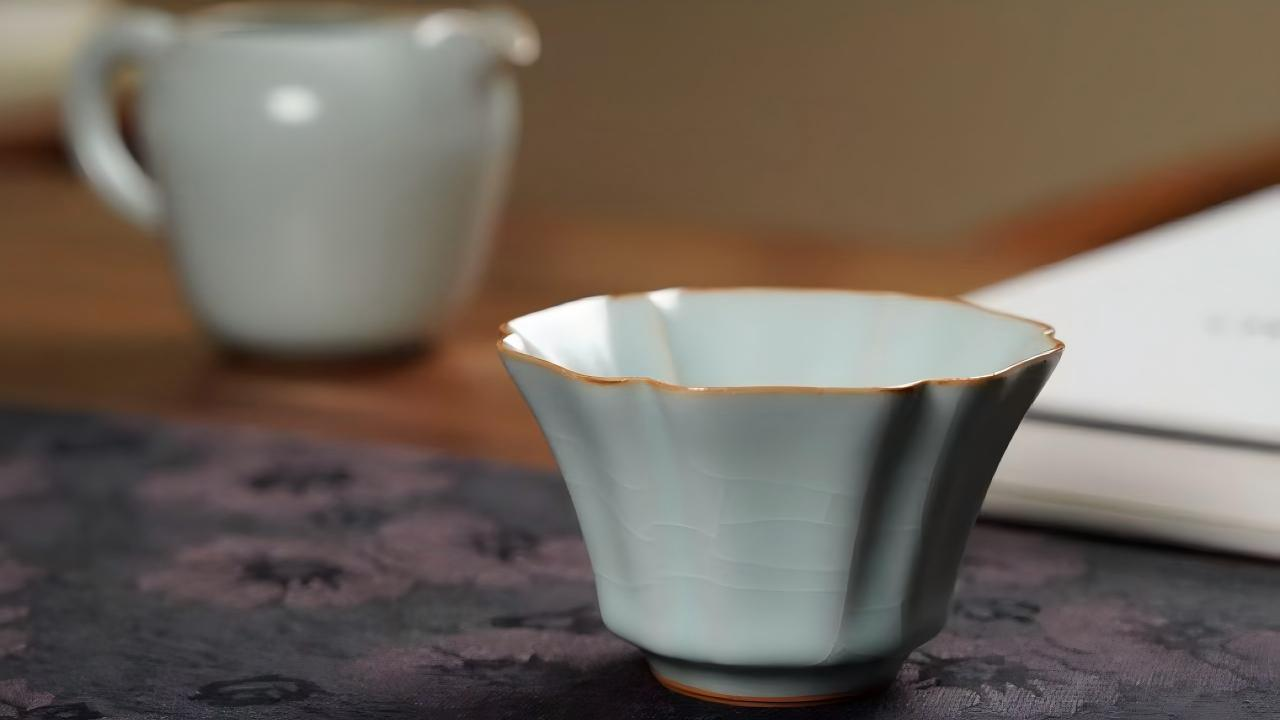
When switching to a new cup, prioritize high-fired porcelain tea cups or quality ceramic tea cups with a smooth, dense glaze, as they resist thermal shock better and are less prone to staining.
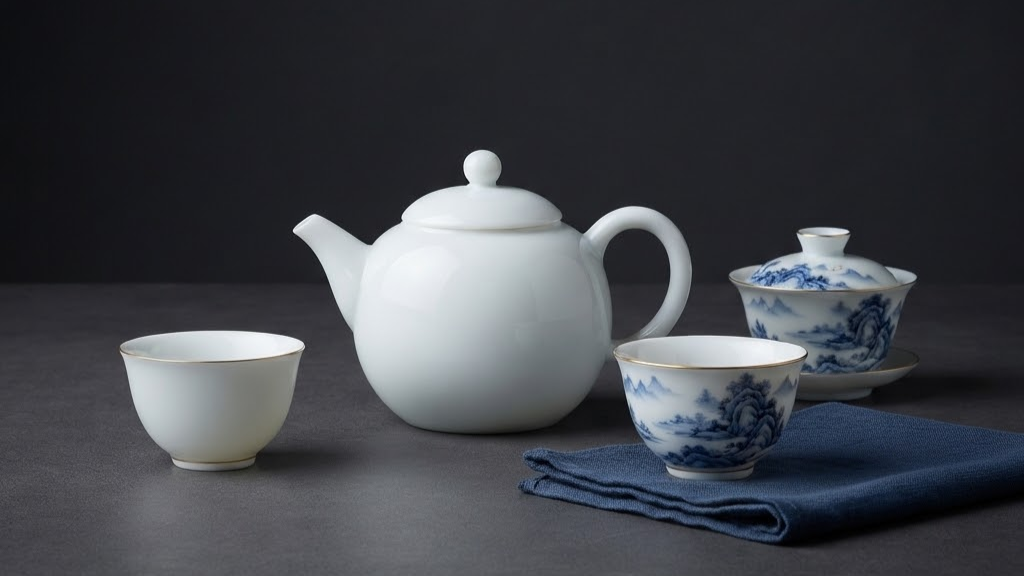
If you prefer a durable everyday staple, a Vintage Ceramic Teacup in classic blue and white china style makes an ideal replacement—featuring a soft antique duck-egg glaze paired with underglaze blue and white mountain motifs, its smooth, easy-to-clean glaze and sturdy blue and white ceramic body withstand daily frequent use with ease, while its practical 135 ml capacity suits both solo brewing and hosting guests.
Final
At the end of the day, when a ceramic teacup develops structural cracks, the most worry-free decision is to retire it decisively, repurpose it creatively, and upgrade your daily tea table with a heat-resistant tea cup whose glaze is completely intact. You can browse the full OURIOO Tea Cup Collection to choose the shape and material that best fits your tea-drinking habits; if you happen to have a cup on hand and aren’t sure whether it’s intentional crackle glaze or a real crack, feel free to describe its material and pattern in the comments—we’ll help you judge it from a professional teaware care and safety perspective.
FAQ
Is it safe to use cracked ceramic?
No—the exposed porous clay inside cracked ceramic traps moisture, bacteria, and mold, and the damaged vessel can easily shatter suddenly from thermal shock when exposed to hot water.
What to do with a broken teacup?
Stop using a broken teacup for beverages immediately; repurposing it into a mini desk succulent planter, scented candle holder, pen cup, or decorative piece is the safest and most practical choice.
Can cracked ceramic be repaired?
Can cracked ceramic be repaired? Cracked ceramic can be restored for display through traditional lacquer Kintsugi or ceramic stapling, but never glue it yourself with household adhesives for hot drinks—standard glues are harmful under heat and cannot prevent mold from growing inside the crack.