
Blog
What Kind of Teacup Brings Out the Best in Different Tea?

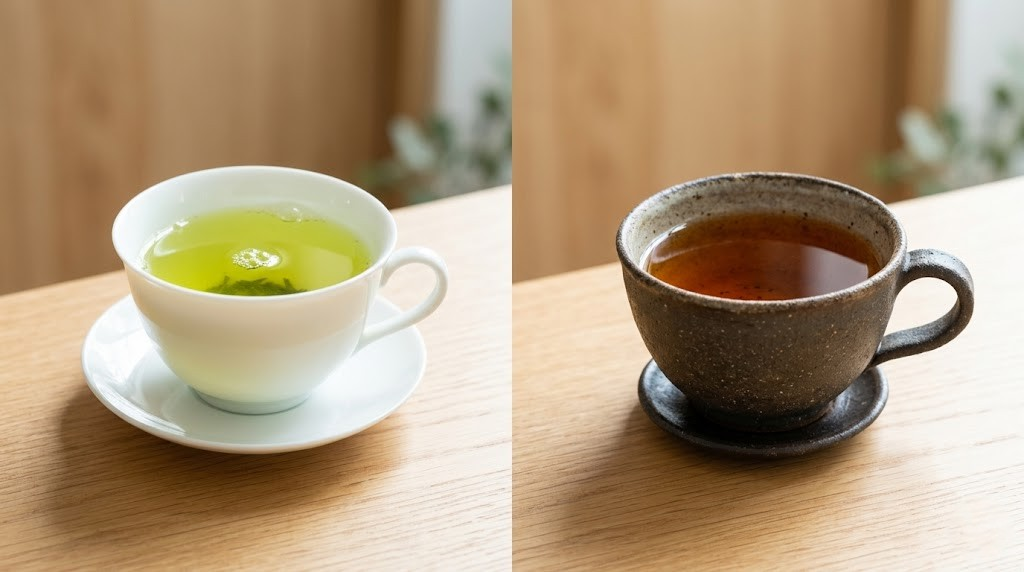
Table of Contents
You might spend a lot of time and effort sourcing premium loose-leaf tea, meticulously controlling the water temperature, and timing your steeps down to the exact second. But have you ever noticed a secret most people overlook? Drinking tea from a stainless steel travel mug tastes completely different than sipping it from an elegant, thin-walled porcelain teacup.
This is not just your imagination—it is the physics of sensory tasting.
Choosing the perfect tea cup is about far more than just aesthetics; it directly impacts the liquor’s temperature, how the aroma unfolds, and the actual mouthfeel of every sip. Just as wine connoisseurs select entirely different glasses for a Pinot Noir versus a Cabernet, the material, shape, and even the flare of a teacup’s rim subtly navigate the tea across your palate. In this guide, we will break down exactly how different tea cups shape your sensory experience and transform the flavor profile of your brew.
How Teacup Material Impacts Flavor
The material of your tea cup—whether glass, porcelain, or clay—subtly interacts with the tea’s natural flavor and aroma notes. Over time, certain unglazed ceramic teacups can absorb microscopic traces of the tea oils, adding depth and character to subsequent brews. Furthermore, the thickness and composition of the material dictate heat retention. Thicker materials generally retain heat better, keeping your tea at an optimal temperature longer, which directly dictates the rate at which complex flavor compounds are released from the tea cup.
Glass & High-Density Porcelain Tea Cups
Physical Properties: Super dense, perfectly smooth, and completely non-porous.
The Perfect Companions: Green Tea, White Tea, and Floral Oolongs.
Why It Elevates Flavor: These materials act as a clean canvas. Because they are completely non-reactive, they will never interfere with or absorb the delicate aroma molecules of your tea. If you are brewing a premium Silver Needle or a delicate Japanese Sencha, a porcelain teacup acts like a mirror, reflecting the most pristine, subtle umami, sweetness, and floral notes without a single drop of distortion.
Stoneware, Clayware & Zi Sha Teacups
Physical Properties: Micro-porous structure with excellent heat retention.
The Perfect Companions: Aged Pu-erh, Black Tea, and Heavy-roasted Oolong.
Why It Elevates Flavor: A clay tea cup acts as an organic flavor filter. The microscopic pores within the clay gently absorb any harsh, dry edges or abrupt bitterness often found in heavily roasted or deeply aged teas. This acts like a soft-focus lens on the liquor, yielding a much smoother, fuller, and velvety mouthfeel from your teacup.
How Tea Cup Rims Shape the Sip
| Teacup Rim Type | Structural Features | Physical Effect on Tea Liquor | Recommended Teas |
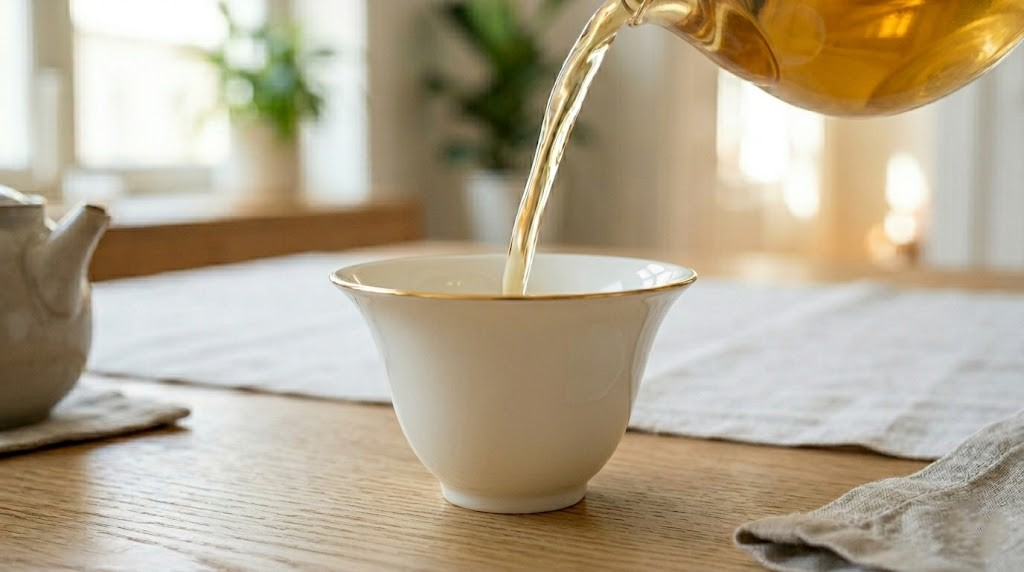
| Flared Rim Teacup | The lip of the cup opens outward like a flower petal. | Creates an airier, more elegant effect as the tea pours. It rapidly spreads the liquid across the tip and sides of the tongue, magnifying sweetness while bypassing the bitter-receptors. | Jasmine Tea, Dan Cong Oolong, Darjeeling Black Tea |
| Inverted Rim Tea Cup | The rim curves subtly inward, similar to a wine glass. | Acts as an exceptional aroma concentrator, trapping volatile scents inside the tea cup. It funnels the tea into a cohesive stream, physically enhancing the perception of body and thickness. | Lapsang Souchong, Aged Ripe Pu-erh, Assam Black Tea |
| Straight Rim Teacup | The walls of the cup rise at a perfectly straight vertical angle. | Guides the tea directly and sharply into the mouth without any structural interference, delivering a very clean, crisp, and linear sensory impact with strong definition. | Wuyi Rock Tea (Rou Gui / Shui Xian), Herbal Blends |
| Shallow & Wide Tea Cup | A flat, shallow body paired with a wide, open aperture. | Maximizes surface area for rapid heat dissipation. This prevents delicate green tea leaves from over-cooking in a deep teacup, which would otherwise induce a bitter taste. | Longjing (Dragon Well), Bi Luo Chun, Matcha |
How Teacup Aesthetics & Design “Trick” Your Brain
Choosing the perfect teacup is far more than just cold physics and functionality; aesthetics and design are also invisible switches to the flavor experience. Scientific research shows that over 50% of human taste experience comes from psychological cues of sight and touch (the well-known crossmodalism).
The Color Psychology
The color of a cup can directly influence your perception of the sweetness and bitterness of tea, and even enhance its visual appeal.
- Color Contrast: Choosing a cup with an inner wall that complements or contrasts with the color of the tea can greatly enhance the visual enjoyment. For example, a white porcelain cup can perfectly showcase the “golden ring” of black tea or the vibrant green of green tea.
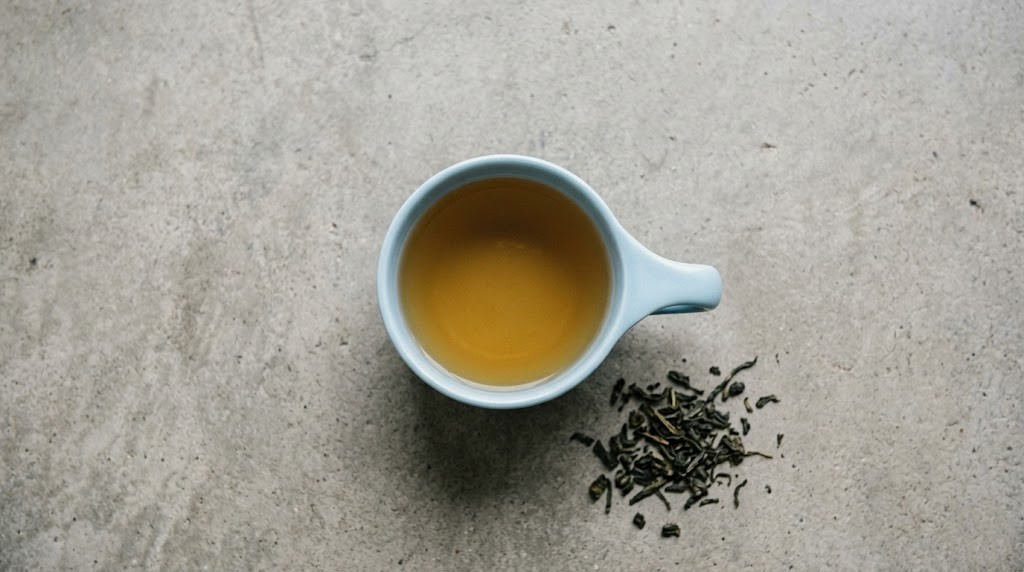
- Taste Awakening: In sensory psychology, certain colors can evoke specific emotions. For example, blue or cool-toned teacups often magically enhance the brain’s perception of sweetness and reduce its aversion to bitterness; while warm earthy tones can make aged teas taste more mellow and mellow.
Design Details & Personality
The design of each teacup creates an emotional connection between you and your tea.
Whether it’s the artisan-inspired, delicately irregular hand-painted ceramic designs, or the clean lines and urban minimalist patterns, the design of a teacup adds an extra layer of spiritual pleasure to your personal tea ritual. Sometimes, just looking at my favorite cup makes the tea smell wonderful.
Ergonomics & Comfort
A perfect teacup must be an extension of your senses.
- Handle Feel: Is the weight evenly distributed when the cup is held in your hand? If it’s a handleless cup, is the temperature warm but not scalding when it reaches your palm?
- Handle Design: If it’s an English or Western-style teacup with a handle, does the curvature of the handle conform to the gripping habits of your fingers, and is it easy to lift?
- These often-overlooked tactile details determine whether you can fully immerse yourself in the moment of relaxation or have your rhythm disrupted by the clumsy shape of the instrument.
A Quick Teacup Pairing Guide
To effortlessly elevate your tea-drinking ritual, consider these foolproof pairings tailored to specific flavor goals:
Delicate & Crisp (e.g., White Tea, Green Tea)
For ultimate purity, to prevent overheating, and to showcase a clear green hue.
You can choose a thin-walled white porcelain cup or a single-layered transparent glass cup.
Highly Aromatic (e.g., Scented Teas, Striped/Rolled Oolongs)
To capture the vibrant floral and fruity aromas, reduce astringency, and pursue a refined design.
I recommend choosing a thin-walled porcelain cup with a flared rim and a cup with a delicate modern design.
Bold & Aged (e.g., Black Tea, Pu-erh)
For a full-bodied texture, to retain heat and reduce dryness, and to prefer a calming earth tone.
I think a thick-walled coarse earthenware cup, a cup with a narrow rim, or a dark-colored purple clay cup would be suitable.
Conclusion
The true masters of flavor never blindly follow rules—they trust their own palate and senses.
Tonight, try a simple yet eye-opening side-by-side taste test at home. Brew a single pot of your favorite loose-leaf tea. Pour one serving into a heavy, standard office mug, and another into a lightweight, vibrant porcelain teacup with a flared rim. You will be amazed to discover how the exact same tea tells two completely different flavor stories depending entirely on the tea cup it is given. Find the vessel that complements your favorite brew, and you will unlock a world where your tea was always meant to taste this good.
FAQ
Can a teacup’s shape really change how tea tastes?
Yes! A flared rim spreads the liquid across the tip of your tongue to boost sweetness. An inward-curved rim traps aromas and makes the tea feel much thicker and richer.
What is the best cup for bold teas like Black tea or Pu-erh?
Choose a thick-walled clay or stoneware cup. The natural, porous material acts like a “smooth filter,” retaining heat perfectly while rounding out any harsh or bitter edges.
2 thoughts on “What Kind of Teacup Brings Out the Best in Different Tea?”