Blog
Why Are Chinese Tea Cups So Small?


Table of Contents
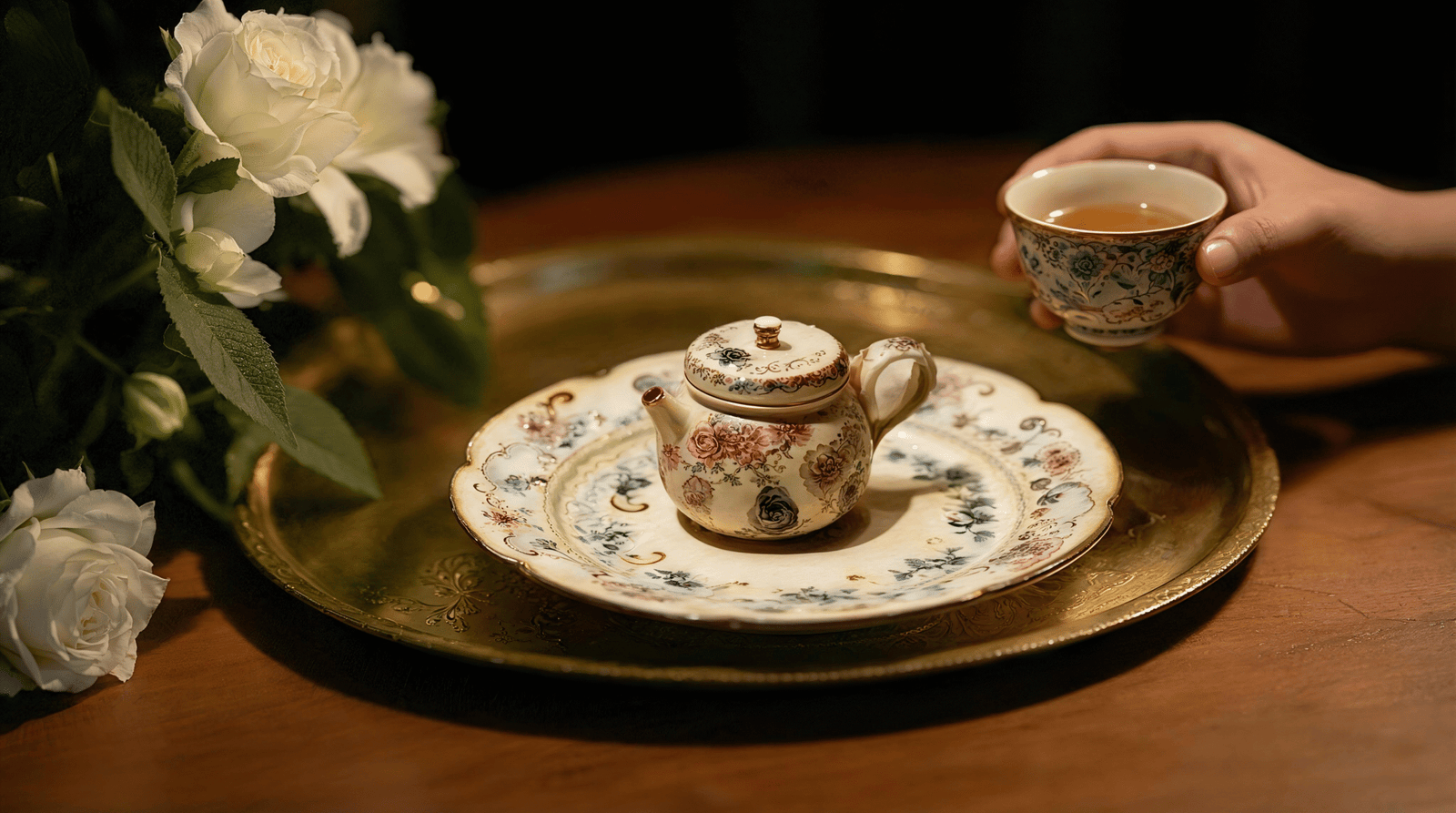
If you have ever observed a traditional Chinese tea ceremony, you might immediately notice a striking detail: Chinese tea cups are incredibly small. For Western tea drinkers accustomed to sipping their morning tea from large ceramic mugs, serving tea in a vessel smaller than a shot glass can seem baffling. Are they trying to save water? Or is it purely decorative?
The answer is neither. In traditional Chinese tea culture, the small tea cup design isn’t meant to make you “drink less,” but rather to help you “experience more.” This miniature size is a highly engineered tool designed for ultimate temperature control, flavor extraction, and a mindful tasting experience.
The Art of Gongfu Tea Ceremony
To understand these authentic tea cups, you must first understand the brewing method. In the West, “Kung Fu” or “Gongfu” is usually synonymous with martial arts, but in Chinese culture, the literal meaning of this word is “skill achieved through time and effort.”
What Does “Gongfu” Mean in Tea Brewing?
Gongfu represents the perfect combination of skill and cultivation in the Gongfu tea ceremony. Brewing tea requires skill, while tasting tea requires inner cultivation. This is mainly reflected in the following three aspects:
- High-quality loose leaf tea selection and fluid, graceful brewing movements.
- Diverse brewing schools, Gongfu tea sets, and a long history of tea culture.
- The etiquette of serving tea to guests and the communication during the tea tasting session.
Gongfu tea is not just a tea brewing method; it is a cultural phenomenon and a lifestyle art that integrates etiquette, aesthetics, philosophy, and self-cultivation.
Through brewing and tasting tea, tea lovers can not only enjoy the delicious flavor of the tea but also elevate their inner cultivation and temperament.。
How Small Cups Fit into the Gongfu Tea Set
Gongfu tea focuses on tasting rather than quenching thirst, which is why small tea cups are essential.

A small tea cup allows you to focus on the art of tea tasting, enjoy the beauty of the brew, and elevate the overall tea-drinking experience.
Furthermore, small tea cups offer better control over temperature and concentration, protecting the tea’s aroma and flavor profile, making the taste stand out more.
With the exact same brew, someone drinking in a rush only remembers that it’s hot. Someone drinking slowly can taste the evolution of the tea liquor and drink in the mood.
Typically, a 50-80ml tasting cup is used in conjunction with a fairness cup and a Gaiwan or teapot.
This ensures the concentration of every steep is accurately tasted, allowing you to experience the subtle changes in the “thickness, aroma, and lingering finish” of the tea liquor.
How Small Tea Cups Improve the Taste of Loose Leaf Tea
For hardcore tea enthusiasts, form follows function. The small tea cup is actually a crucial piece of sensory experience equipment.
Multiple Short Steeps vs. One Long Brew
Western tea brewing methods usually rely on a low leaf-to-water ratio and steep for several minutes.
The small tea cups used in Gongfu tea completely subvert this formula: they use a very high loose leaf tea ratio, steeping for only 10 to 30 seconds each time, allowing the flavor layers of every steep to remain distinct.
Studies on tea chemistry show that shorter steeps prevent the over-extraction of bitter tannins while highlighting sweet amino acids.
When using small tea cups, the tea steeping time is relatively controllable. If large tea mugs are steeped for too long, the tea liquor easily becomes overly concentrated and bitter.
To learn how much tea to put in a China cup, please read: How Much Loose Leaf Tea Per Teacup?
Capturing the Evolving Aroma in Every Sip
Tea is a highly dynamic beverage.
The first steep might be floral and light, the third steep becomes mellow with earthy notes, and the fifth steep is sweet and lingering.
Small tea cups allow you to isolate and appreciate these micro-changes.
In addition, smaller tea cups have a better aroma-gathering effect, allowing the tea fragrance to linger more intensely in the cup, making it easier to appreciate the scent.

For example, when tasting Oolong tea, small tea cups can better capture its high aromatic notes.
Conversely, a large tea cup may cause the aroma to dissipate in a larger space, resulting in a relatively weaker scent.
Temperature Control and Heat Dissipation in Handleless Cups
If you are pouring boiling water into a tiny cup, a natural question arises: why are there no handles? And what should I do to avoid burning my hands?
Heat Dissipation in Ceramic Tea Cups
Ceramic itself is an insulator with a relatively slow heat conduction rate. This slow heat dissipation rate helps maintain the temperature of the tea liquor without burning your hands.
The surface temperature of a ceramic tea cup changes with the temperature of the liquid inside. A small amount of near-boiling liquid cools down much faster than a full, large mug.
The small capacity allows the boiling tea to quickly drop to the perfect tasting temperature, preventing you from burning your tongue.
How to Hold a Handleless Tea Cup Without Burning Your Fingers
Traditional Gongfu tea cups primarily feature a handleless design. The handleless tea cup aligns better with the “light, fast, and elegant” operational logic of Gongfu tea.
So, how do you hold a Chinese tea cup without burning your hands?
To hold the tea cup correctly, you can use the traditional “Three Dragons Embracing the Pearl” technique.
Pinch the rim of the China cup with your thumb and index finger, and use your middle finger to support the bottom of the tea cup. This method not only prevents burns but also ensures the stability of the China cup body.

How to Choose Your First Traditional Chinese Tea Set
Transitioning from brewing tea bags in a mug to using a Gongfu tea set can feel daunting at first, but choosing the right traditional Chinese tea set is the first step toward brewing an exquisite teacup of tea.
Gaiwan Tea Set vs. Yixing Teapots: Which Should You Start With?
A porcelain Gaiwan is the top choice for beginners. Its core advantages lie in being “versatile, low cost, easy for tea control, and having no maintenance burden.”
An Yixing clay teapot is better suited for advanced tea drinkers who have mastered the brewing rhythm, focus on a single tea type, and are willing to invest time in maintenance.
- Restoring the tea’s authentic flavor: The Gaiwan tea set is undoubtedly the winner here, as it does not absorb aromas or flavors, whereas the dual-porosity structure of the Yixing teapot will absorb some of the tea polyphenols.
- Smoother and mellower tea liquor: The dual-porosity structure of the Yixing teapot filters out off-flavors and preserves the mellow authenticity of the tea, especially for aged teas.
- Convenience and ease: A Gaiwan set can brew different types of tea without flavor cross-contamination. Cleaning and maintenance are very simple—just rinse with hot water and wipe dry. An Yixing teapot requires brewing tea according to the specific clay material (one teapot for one tea type). Improper maintenance can easily cause odors; it needs to be carefully cleaned, air-dried, and left without tea stains.
To learn more about the differences between a Gaiwan and teapot, please read: Gaiwan vs. Teapot: Which Vessel Is Right for You?
Selecting the Right Cup Shape and Material
After selecting your tea brewer, it’s time to pick your tasting cups.
You can look for flared cup rims (such as a conical hat cup, which cools the tea liquor faster and guides the liquid to the tip of the tongue).
Or deeper bell-shaped cups (such as a bell cup, which is excellent for concentrating aroma).
To learn more about tea cup shapes, please read: 10 Types of Chinese Tea Cups: Are You Drinking It Right?
Conclusion
When you are ready to elevate your daily tea-drinking ritual, having authentic tea ware makes all the difference.
The carefully curated collections at OURIOO bring traditional craftsmanship directly into your modern home, offering everything from beginner-friendly white porcelain Gaiwans to elegantly designed, heat-dissipating tasting cups crafted for the perfect Gongfu tea experience.
Start “small,” slow down, and discover a vast world of flavor inside a tiny tea cup.
FAQ
What is the standard size of a Chinese tea cup?
Typically between 50ml and 80ml (1.7 to 2.7 oz). They are designed to be finished in just 2-3 sips so the tea stays at the perfect temperature and flavor.
Why don’t Chinese tea cups have handles?
To help you feel the temperature before drinking. You hold the cup by pinching the top rim and supporting the bottom base—which stay cool—so you won’t burn your fingers or your tongue.


