Blog
How to Host a Tea Ceremony at a Wedding?

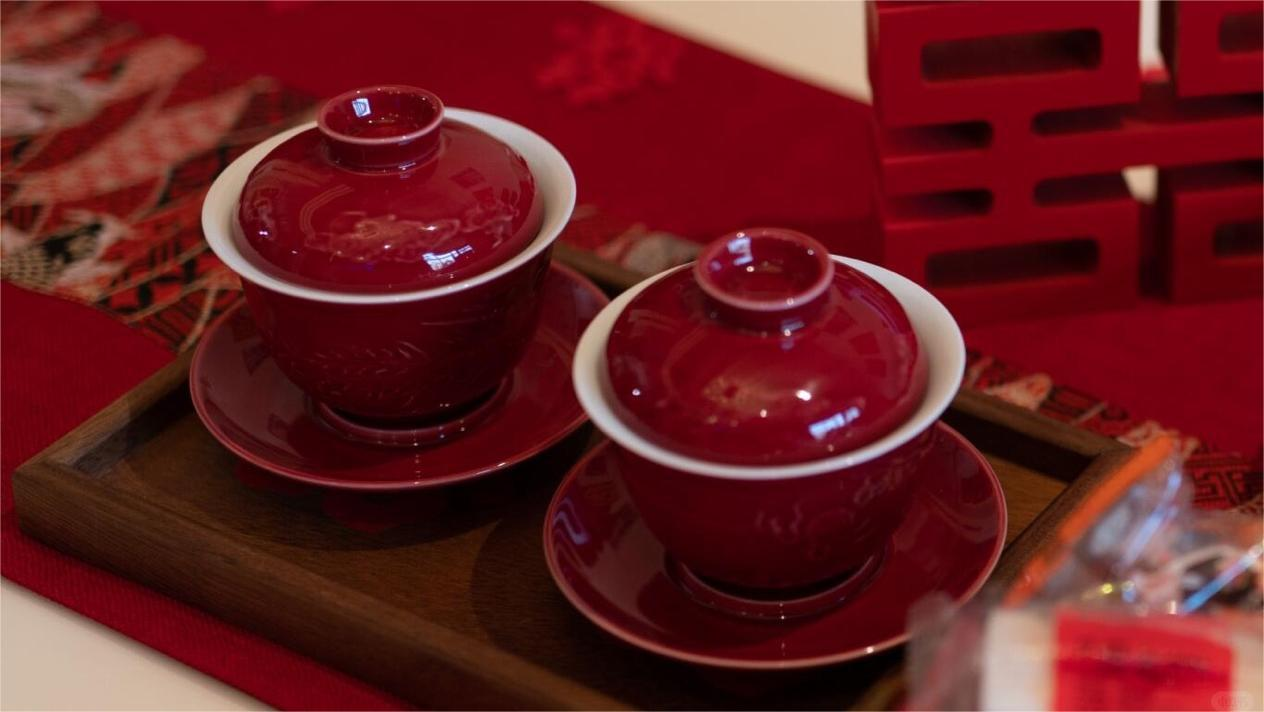
Table of Contents
When planning a wedding, many couples look for meaningful ways to symbolize the blending of two families. While lighting a unity candle or pouring sand are common choices in Western weddings, hosting a tea ceremony at a wedding is rapidly becoming a popular alternative.
Whether you want to honor your Asian heritage with a traditional Chinese tea ceremony, or create a modern “unity tea” ritual for a multicultural family, this guide will detail the ceremony logistics, the best tea pairings, and how to choose an heirloom teaware set worth cherishing for a lifetime.
Traditional vs. Unity Wedding Tea Ceremony
Before diving into the specifics, first determine which type of ceremony best suits your wedding’s vibe and cultural background.
The Chinese Tea Ceremony & Traditions
Serving tea is the most important traditional ritual in a Chinese wedding.
Through this tea ceremony, the newlyweds express respect and gratitude to both sets of parents for years of upbringing.
The traditional Chinese wedding tea ceremony is a ritual where the couple serves tea to both sets of parents, changes how they address them, and thanks them for their upbringing, symbolizing the couple’s official integration into both families. The elders then return the blessing with gifts.
To present this ritual more authentically, adopting the pouring techniques of a gongfu tea ceremony adds an elegant and respectful atmosphere, delighting all guests.
According to historical records in the British Museum’s “Chinese Tea” guide, tea has always symbolized purity, stability, and natural harmony in Eastern culture, making it the perfect foundation for a marriage.
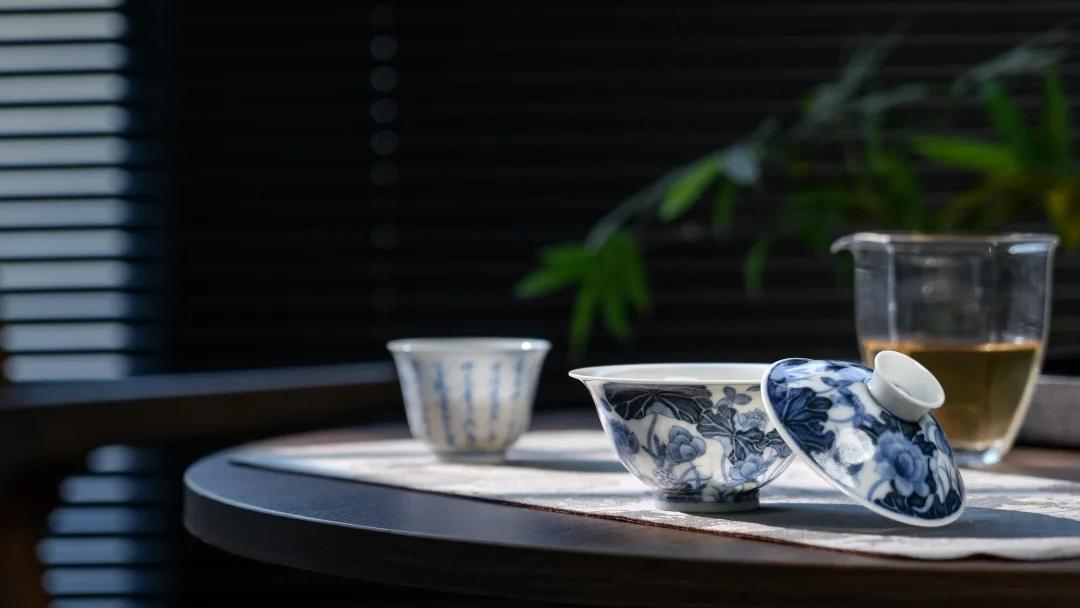
The Modern Unity Tea Ceremony
If you are a multicultural couple or have a blended family (including step-parents), try a modern unity tea ceremony.
A unity candle in a Western wedding consists of three pillar candles, with the middle one being thicker. The parents first light the two thinner “family candles,” symbolizing the love of the two families. Then, the newlyweds use them to light the center unity candle, symbolizing two families becoming one.
Sharing a pot of tea offers a much more interactive experience for this unity ritual.
How to Plan a Wedding Tea Ceremony
When you are wearing a white dress and time is tight, execution is crucial. Here is how to make it flawless.
Meaningful Loose Leaf Tea Blends
Ditch the dusty supermarket tea bags. High-quality loose leaf tea blends not only taste great but also carry profound and auspicious symbolism for your marriage:
Pu-erh Tea: The rich, translucent red liquor of ripe Pu-erh symbolizes a prosperous, long-lasting life together. Because it is fermented, the taste is mellow, smooth, and grows more fragrant with age, symbolizing a marriage that stands the test of time.
Floral Tea: Floral tea is popular and universally accepted, with a modest price. The blooming flowers represent the beautiful meaning of the couple’s relationship blossoming and bearing fruit.
Black Tea: The red or golden-yellow liquor of black tea perfectly matches the festive atmosphere of a wedding. The red hue symbolizes a passionate, thriving, and joyful future together.
Longjing Green Tea: With its flat, smooth, and emerald-green leaves, Longjing carries the traditional blessing of “Dragon and Phoenix bringing prosperity.” Its fresh chestnut aroma and sweet, refreshing taste make it very soothing to drink.
Want to learn about tea making? Read: Guide to Tea Processing: Steamed, Pan-Fired, Oven-Dried & Sun-Dried Teas
Ceremony Setup & Timing
If you plan to incorporate the tea ritual into your brief five-minute wedding ceremony, logistics are critical. Brides’ biggest fear is spilling dark tea on a pristine white wedding gown. Therefore, using tea sets with serving tray is an absolute necessity.
A traditional bamboo or ceramic slotted tray immediately catches any spills, keeping your altar and dress spotless. As recommended by Brides.com wedding planners in their “Unity Ceremony Guide,” the setup should be as simple as possible.
Have your bridesmaid prepare a beautiful thermos of hot (not boiling) water, so you don’t have to wait for a kettle to boil during your vows.
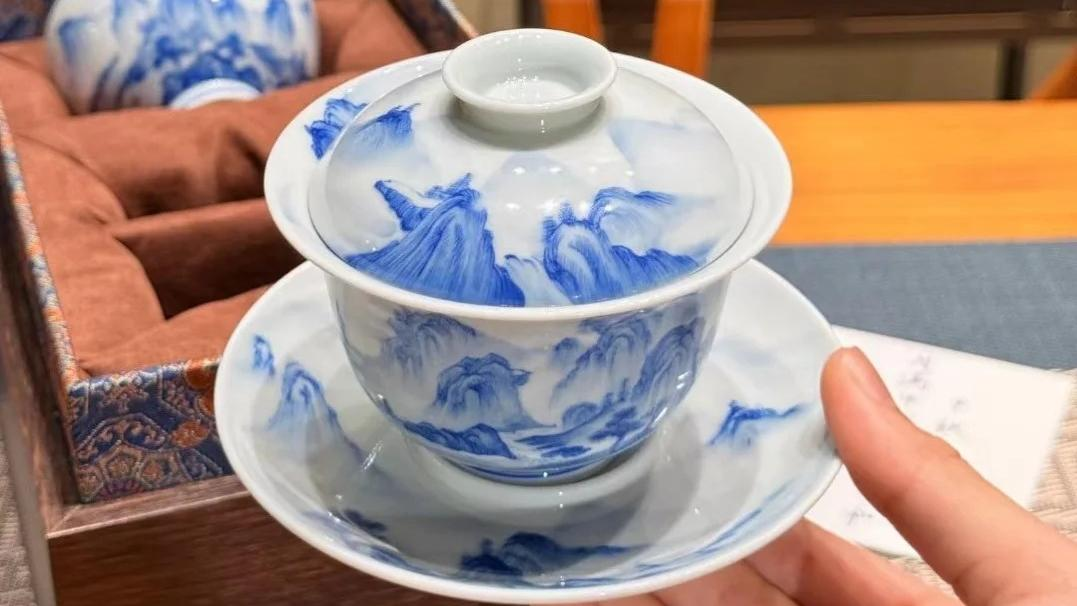
Choosing an Heirloom Tea Ceremony Set
Don’t buy a cheap, plastic-looking red tea set just to throw it in the closet after five minutes. Your wedding tea set should be a practical and beautiful piece of art that can be used for decades.
Blue and White Porcelain as “Something Blue”
For a Western or multicultural wedding, you don’t have to stick to bright red. You can choose Jingdezhen blue and white porcelain, Reactive Glaze, and Millefleurs enamel teaware to balance stunning wedding photos with post-wedding home aesthetics, continuing the classic Western wedding tradition of “Something Old, Something New, Something Borrowed, Something Blue.”
According to The Metropolitan Museum of Art (The Met), blue and white porcelain has been the pinnacle of elegant global trade since the Ming Dynasty.
Choose elegant, bright patterns like florals or landscapes (avoid overly traditional motifs like dragons or pines if they don’t match your style) to ensure the porcelain blends perfectly into your daily home decor.
If you are looking for profound meaning and tactile elegance, the Handmade Embossed Peony Gaiwan is a stunning alternative. Peonies are known as the “king of flowers,” symbolizing prosperity, elegance, and good fortune. Crafted with a 3D relief layering technique, the peony petals emerge from the ceramic surface.
More importantly for a wedding, this embossed pattern significantly improves your grip, reducing the chance of slips while pouring—a thoughtful feature that nervous newlyweds will deeply appreciate.
Gaiwan Tea Set vs. Teapot and Cup Set
A gaiwan tea set consists of a lid, bowl, and saucer, symbolizing the harmony of “Heaven, Earth, and Human,” which represents a stable and happy marriage.
It is beautifully shaped, suitable for various teas, and won’t get your wedding dress wet. It pours quickly, cools well so it won’t burn your mouth, but requires practice to avoid burning your hands.
For an exquisite option, the Blue And White Underglaze Gaiwan perfectly captures this symbolism. It features an elegant retro blue glaze tracing dynamic branches, complemented by rich underglaze red plum blossoms and long-tailed birds.
Inspired by the auspicious Chinese motif ‘Happiness Upon the Eyebrows,’ this gaiwan balances traditional blue-and-white grounding with dazzling doucai-style artistry. Fired at 1350℃ with an ‘ice platform glaze,’ it completely prevents tea aroma absorption, making it a masterpiece that nourishes the soul.
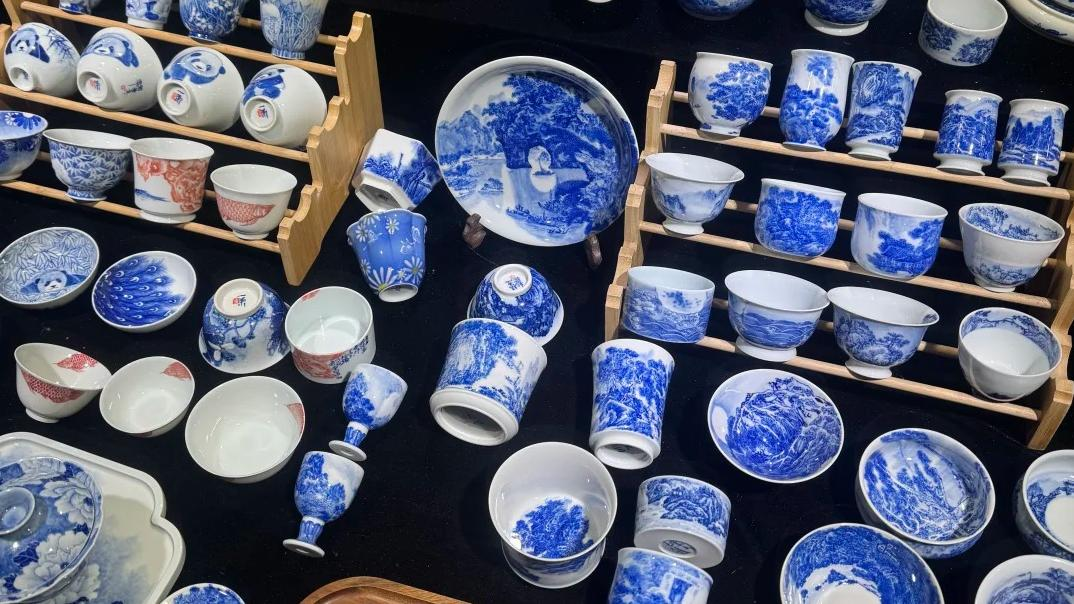
For nervous, shaking newlyweds at the altar, a teapot and cup set is a foolproof choice. A teapot with a built-in filter pours quickly, retains heat well, and ensures a smooth, spill-free drinking experience.
To elevate your ceremony, the Blue And White China Teapot delivers exceptional craftsmanship. Made from premium kaolin clay, its body showcases hand-painted underglaze blue sceneries of green mountains and flowing rivers.
It features a built-in plum blossom-shaped seven-hole filter to easily separate loose leaves, and an unglazed lid rim (the “bronze edge”) that will develop a rich patina over time. It is the perfect blend of serenity and functional innovation.
Anniversary Traditions & Wedding Tea Set Gift Ideas
An exquisite tea ceremony set is one of the most thoughtful tea set gift ideas on a wedding registry.
After the wedding, why not start a new anniversary tradition: every year, bring out your heirloom tea set, brew the exact same tea used on your wedding day, and sit down together to review your vows and look back on your memories.
Final
Planning your own wedding tea ceremony? Browse OURIOO Tea Set Collections to find your perfect “Something Blue” or traditional heirloom set. Have questions about which tea to serve? Leave a comment below, or save this guide to your Wedding Planning Pinterest board!
FAQ
How to Do a Chinese Wedding Tea Ceremony
The couple traditionally kneels or stands before their seated parents. The groom’s family is served first, followed by the bride’s family. Tea is offered with both hands, starting with the parents, then grandparents, and finally older relatives. After drinking, the elders offer a blessing and a red envelope (ang pow) or jewelry to the couple.
What Do You Say During a Tea Ceremony?
Keep it simple, respectful, and heartfelt. When offering the cup, you can say, “Please drink this tea,” followed by a customized expression of gratitude, such as, “Thank you for your endless love, support, and for raising the person of my dreams. We are so excited to blend our families today.”