Blog
Why Is Blue and White Porcelain So Popular?

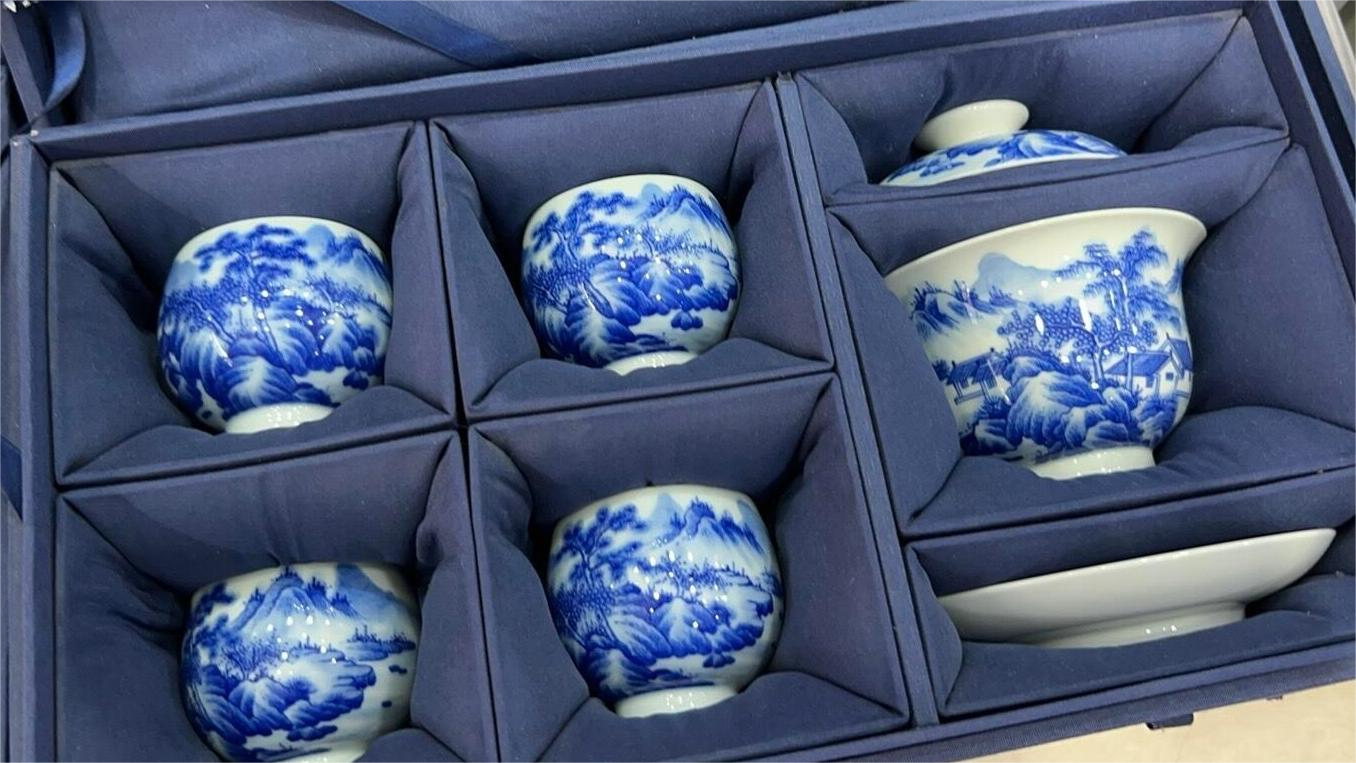
Table of Contents
The reason blue and white porcelain has remained popular for hundreds of years comes down to four core factors: its Silk Road history blending Persian cobalt with Chinese white porcelain, its fade-proof underglaze craft fired at a high temperature of 1,380°C, its versatile blue-and-white visual aesthetics, and its practical porcelain teaware properties of zero water absorption that never steal the tea’s aroma.
The History of Chinese Blue and White Porcelain
Silk Road Origins and Ming Dynasty Blue and White Porcelain
Blue and white porcelain is not the product of a single culture, but the ultimate collision between Persian imported Sumaliqing cobalt ore (Cobalt Oxide) and the kaolin white porcelain craftsmanship of Jingdezhen, China (blue and white porcelain china).
Jingdezhen’s chinese blue and white porcelain is a world-renowned symbol; as a specialty of Jingdezhen, Jiangxi, blue and white chinese porcelain is hailed as a global treasure by enthusiasts at home and abroad.
Jingdezhen blue and white porcelain originated in the Yuan Dynasty and reached its peak during the Ming and Qing Dynasties (ming dynasty blue and white porcelain); it is created by painting patterns with cobalt oxide on the unfired clay body, applying a clear glaze, and firing it once at intense high heat—resulting in a porcelain blue and white masterpiece that is delightfully contrasting, crystal-clear, bright, and enduringly beautiful.
Today, you can still admire its elegance in the Xuande ming dynasty blue and white porcelain collection at The Metropolitan Museum of Art (The Met), where that interplay of blue and white and its translucent, timeless texture earned it the reputation of “White Gold” among collectors worldwide.
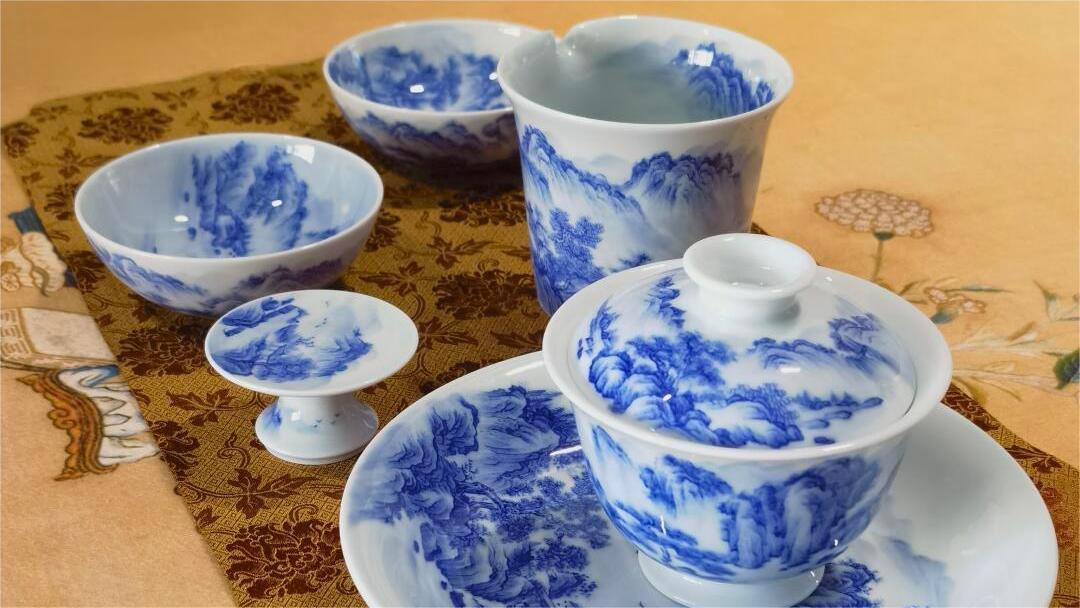
From East to West: How Global Trade Sparked “Porcelain Fever”
Before the 17th century, antique chinese blue and white porcelain was a luxury reserved for royalty and nobility, collected by both King Philip II of Spain and Queen Mary II of England. Numerous historical examples prove that blue-and-white porcelain was extraordinarily popular among European royalty, high society, and the general public at the time.
In the early 17th century, the Dutch East India Company (VOC), headquartered in Batavia (modern-day Jakarta), purchased Chinese goods through trade and became the largest buyer of Jingdezhen chinese blue and white porcelain.
At the same time, a craze for imitating blue and white porcelain emerged within the Netherlands; across the entire ceramics industry, blue and white porcelain ushered in a new era of underglaze painted porcelain—a smooth, painted, hard-bodied ware that also gave birth to famous heritage brands such as Royal Delft.
Chinese vs. Japanese Blue and White Porcelain
Although collectors adore all types of blue and white asian porcelain, a closer look reveals distinct differences between Chinese Qinghua (chinese blue and white porcelain) and Japanese Sometsuke (japanese blue and white porcelain, represented by Arita ware):
Chinese blue and white porcelain typically uses porcelain clay with relatively high iron content in its natural mixed Qinghua cobalt pigments alongside kaolin clay; its texture is fine, and after firing, the porcelain boasts outstanding luster, high whiteness, and vivid gradations of light and dark shades, fully displaying the majestic beauty of a china porcelain tea set.
Japanese blue and white porcelain mostly selects native porcelain clay with lower iron content and pure blue dyes; after firing, the color of the ware tends to be pale, soft, and uniform in tone, presenting a warm, jade-like texture that resembles quiet beauty under hazy moonlight and complements Japan’s reverence for wabi-sabi aesthetics.
To learn the differences between Chinese teaware and Japanese teaware, please read Chinese Teapot vs. Japanese Teapot: 4Differences You Need to Know
Behind Every Iconic Blue and White Porcelain Pattern
The Chemistry of Underglaze Blue: Why It Never Fades
Why does blue and white porcelain remain dazzlingly vibrant even after being submerged in seabed shipwrecks for hundreds of years? The secret lies in the chemical transformation of high-temperature underglaze decoration.
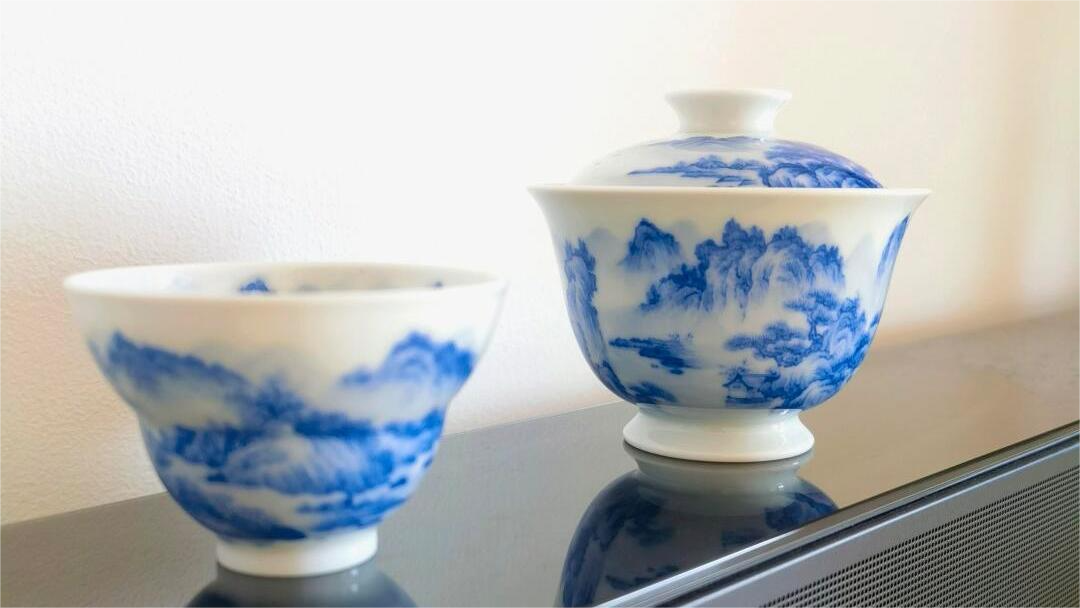
Blue and white is created by using natural cobalt pigment to paint and decorate on white clay, covering it with a transparent glaze, and firing it once at high temperatures around 1,300 degrees Celsius. For the detailed firing process, please read How is Blue and White Porcelain Fired to Perfection?
As pointed out in the Victoria and Albert Museum’s (V&A) research guide to chinese blue and white porcelain, it allows the pigment to fully penetrate into the clay body and glaze, presenting lush, vibrant blue patterns that look graceful, clean, and unadorned, while ensuring hot tea liquor never comes into direct contact with the pigment.
Decoding Classic Motifs: Lotus, Peony, Dragons, and Zen Landscapes
Every classic blue and white porcelain pattern carries auspicious meanings:
Because of its trait of “rising unstained from muddy waters,” the lotus symbolizes spotless purity and noble character. In Buddhist culture, the lotus is a symbol of the Buddha and represents sacredness.
The peony is the King of Flowers; with full, layered petals, it symbolizes wealth, prosperity, and honored status.
The dragon is a legendary mythical creature, symbolizing nobility, magnificence, good fortune, and celebration.
Landscape poetry expresses love and praise for natural scenery, symbolizing tranquil classical beauty and giving people a fresh, graceful feeling.
Just like our Blue And White Porcelain Tea Cups, which feature landscapes purely hand-painted on aged antique clay by renowned ceramic artists—ensuring no two porcelain tea cups are ever alike—their wide flared rim and deep belly design lock in the rich aroma of Pu’er, oolong, or aged white tea.
Why Chinoiserie Blue and White Porcelain Dominates Home Decor
The Psychology of Crisp White and Cobalt Blue
From the perspective of color psychology, white and blue porcelain naturally carries an irresistible sense of “Visual Calm.”
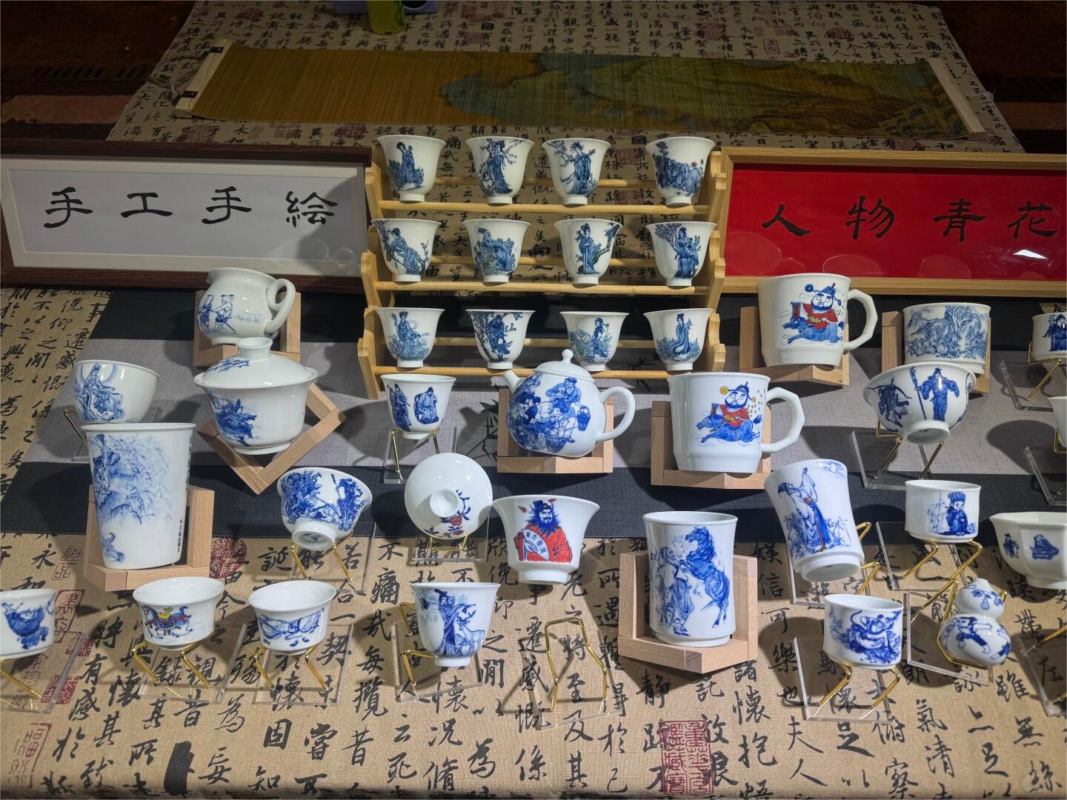
Cobalt blue reminds people of the clear sky and the deep ocean, helping to relieve stress and calm the mind; meanwhile, pure white porcelain reflects soft light, conveying cleanliness and translucency.
The combination of the two delivers striking visual tension without ever causing visual fatigue.
More importantly, the blue-and-white color scheme is the ultimate versatile all-rounder in home decor—whether paired with a warm natural wood chinese tea tray, walnut furniture, warm gold metal accents, or vibrant indoor green plants, it blends together seamlessly.
From Antique Blue and White Porcelain Vases to Modern Interiors
Walk into almost any tasteful American home today, and you will nearly always see chinoiserie blue and white porcelain serving as the visual focal point of the space.
Interior designers are especially fond of placing a blue and white porcelain vase on a mantelpiece, arranging blue and white porcelain jars across bookshelves, or symmetrically flanking an entryway console table with a pair of blue and white porcelain temple jars.
Whether it is the “Coastal Grandmother” style, “Chinoiserie Chic,” or a modern minimalist space popular across North America in recent years, blue and white porcelain builds the perfect bridge between historical richness and modern relaxation.
Functional Art with a Blue and White Teapot & Gaiwan
Why Tea Connoisseurs Prefer Jingdezhen Blue and White Porcelain Teaware
Compared to an antique chinese blue and white porcelain vase that can only be admired from afar inside a museum, a blue and white china tea set is the best way to own and enjoy this art every day.
Drinking tea is a common everyday lifestyle, and if you care about combining practicality with beauty, then a porcelain tea set is your best choice.
When you brew a cup of gongfu tea using a porcelain gongfu tea set, it helps you perfectly showcase the color of the tea liquor—truly reflecting the golden yellow of oolong tea, the apricot yellow of white tea, or the amber red of black tea; moreover, it never steals the tea aroma or absorbs odors, making it ideal for brewing all varieties of fine tea.
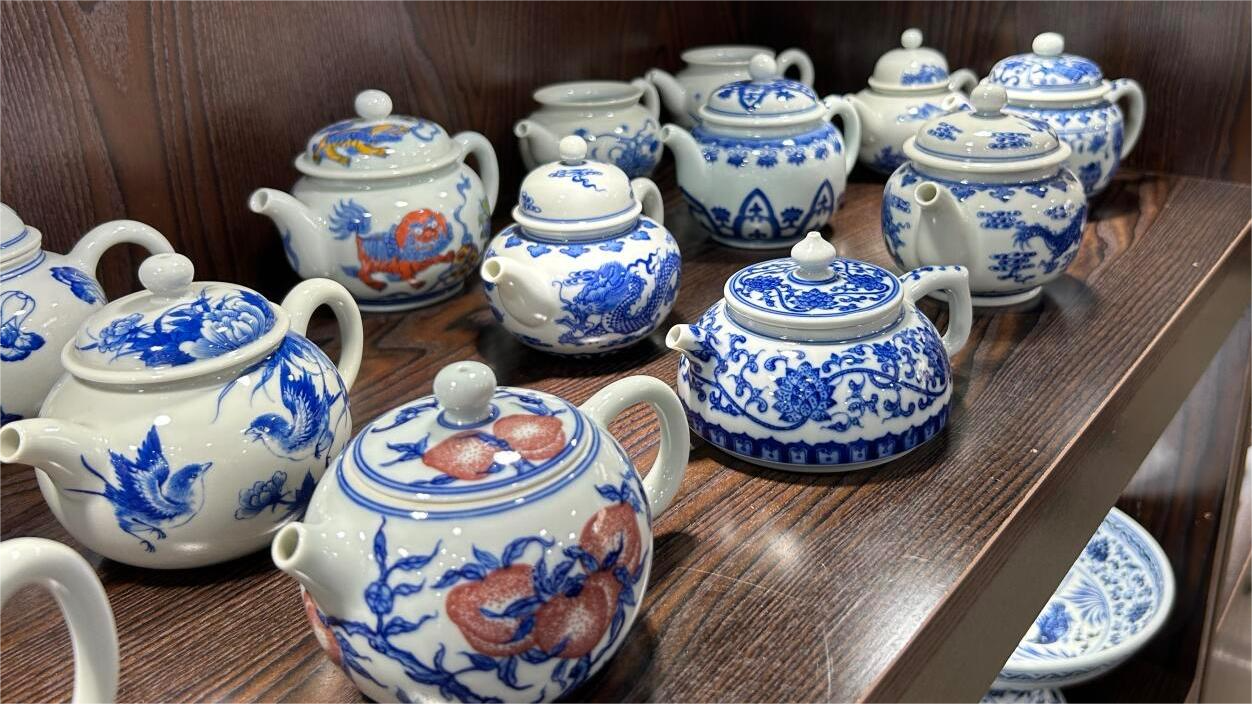
Must-Have Pieces to Start Your Collection (Teapots, Gaiwans & Teacups)
Blue And White China Teapot is crafted from original mineral kaolin clay through 72 manual steps and fired at 1,360°C, featuring landscapes hand-painted with cobalt ore blended with tea water; this porcelain teapot is equipped with a built-in plum-blossom seven-hole filter for clean, drip-free pouring, while its unglazed lid rim develops a highly collectible “Bronze edge” patina over long-term brewing.
Sancai Glazed Porcelain Gaiwan is fired at an ultra-high temperature of 1,380°C, producing a crisp bell-like ring and resisting yellowing over time; this porcelain gaiwan features a zero-water-absorption glaze that purely restores tea aroma, while its Heaven-Earth-Humanity “Sancai” gaiwan tea set form merges with ink-wash landscapes to embody Neo-Chinese Zen elegance.
Jingdezhen Blue And White Porcelain Tea Cups are crafted from selected jade clay via high-temperature reduction firing, with ink-wash patterns purely hand-painted by artisans with 20 years of experience and finished with a base signature; these porcelain china tea cups feature a highly translucent interior wall for observing tea liquor color and a comfortable, anti-scald single-handed grip.
Conclusion
Blue and white porcelain has remained popular for hundreds of years because it solidifies clay, kiln fire, and humanity’s pursuit of beauty between blue and white. Browse the Ourioo Designer Series to bring this thousand-year-old Eastern elegance—from a porcelain teacup to a jingdezhen blue and white porcelain gaiwan set—to your own daily tea table.
FAQ
Is blue and white porcelain valuable?
Yes, imperial antique blue and white porcelain vases from the Ming and Qing Dynasties are priceless at auctions, while contemporary hand-painted jingdezhen porcelain tea set pieces hold exceptional value for both daily use and heirloom collection.
Where is the blue and white porcelain produced?
Authentic and highest-quality chinese blue and white porcelain is produced in Jingdezhen, Jiangxi, China—celebrated for a thousand years as the “Porcelain Capital of the World”—and has successively influenced production regions such as Arita in Japan (japanese blue and white porcelain) and Delft in the Netherlands.