Blog
Mastering the Pour: The Western vs. Gongfu Tea Brewing

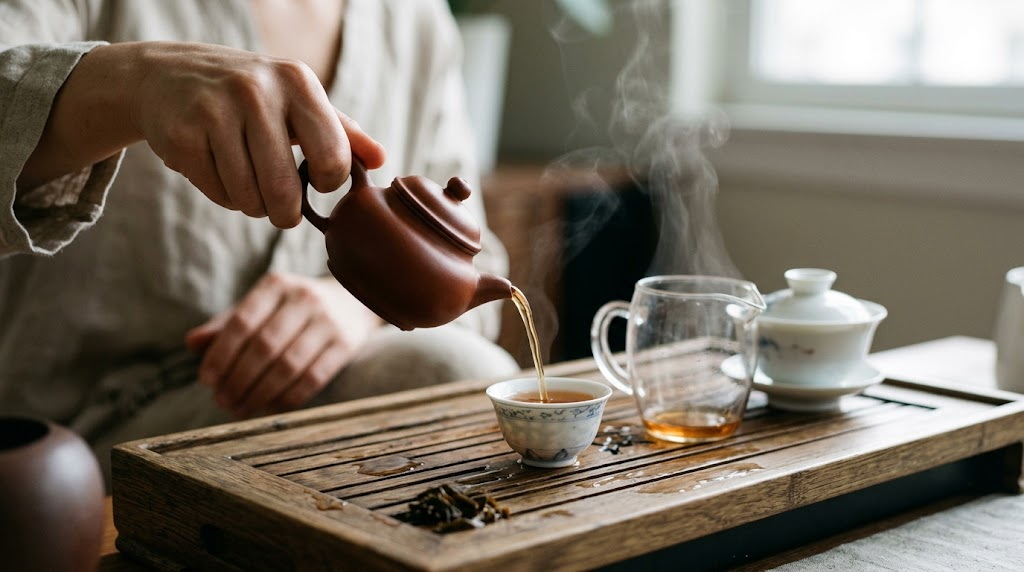
Table of Contents
For enthusiasts just entering the world of tea culture, one of the most common dilemmas is choosing a brewing method: Western Brewing is known for its efficiency and directness, while the traditional gongfu tea ceremony emphasizes mindfulness, layers, and a sense of ritual.
Whether you want a quick, refreshing cup of black tea in the morning, or you wish to immerse yourself in the subtle changes of tea leaves on a weekend afternoon, understanding the core differences between these two brewing philosophies will completely transform your tea-tasting experience.
What is Gongfu Tea Brewing?
The Core Philosophy Behind Gong Fu Cha
Tea gongfu is far more than just a way to quench your thirst; it is a multiple-infusion method that focuses on mindfulness and skill, aimed at exploring the evolution of flavors from premium loose leaf tea across multiple steeps. It originated in the Chaozhou and Fujian regions of China (referencing the cultural origins of Chaozhou gongfu tea).
Brewing steps: Warming the vessels, adding the organic tea, brewing, and tasting.
Essential Teaware for a Gongfu Tea Set
To achieve an authentic gongfu tea ceremony experience, professional teaware is indispensable. Unlike large Western teapots, a gongfu tea set is specifically designed for high-concentration, small-capacity, rapid extraction.
- Main brewing vessel (80-200 ml): A gaiwan or a small-capacity yixing teapot.
OURIOO Recommends
Bouquet Gaiwan Ceramic Tea Cup For Gong Fu Ceremony
Diameter 8.5 cm, height 8.4 cm, capacity 140 ml
The elegant ceramic floral relief design is not only a visual delight.
Its excellent aroma retention and thermal conductivity allow you to perfectly capture the purest, uplifting fragrance of the first steep the moment you lift the lid of this porcelain gaiwan.
Hanwa Yixing Teapot – Classic Zisha Clay Teapot
Diameter 13 cm, opening diameter 6.8 cm, height 5.4 cm, capacity 130 ml
A classic Hanwa tea pot crafted from authentic original Yixing Zisha clay.
The unique breathable pore structure of Zisha not only maximizes the original aroma of the tea leaves but also develops a mellow, warm luster with your daily use, making it an advanced teapot worth cherishing for a long time.
- Pitcher (Gongdao Bei): Used to even out the tea broth’s concentration and prevent the leaves from over-steeping.
OURIOO Recommends
Wood Fired Reactive Glaze Pitcher-Tea Accessories
Diameter 9 cm, height 9 cm, capacity 180 ml
The traditional wood-fired reactive glaze craft brings one-of-a-kind colors and textures to the world, full of vintage greenery with a raw texture.
The eagle-beak design ensures a crisp cut-off when pouring, never dripping or staining your gongfu tea tray.
- Tasting Cups: Small in size, making it easy to appreciate the aroma and savor the taste.
OURIOO Recommends
Jingdezhen Blue And White Porcelain Gongfu Tea Cups
Opening diameter: 6.4cm, height: 4.7cm, capacity: 60ml
Authentic blue and white porcelain inherited from Jingdezhen, the porcelain capital of the world.
The translucent white porcelain interior beautifully highlights the true colors of the tea broth (Observe tea colors).
The small teacup body concentrates the aroma, and the ultra-thin rim maximizes the tactile sensation on the lips, making every sip from this tea cup a pure experience of Eastern aesthetics.
The Western Tea Brewing Method Explained
Characteristics of Western Style Tea
Western tea brewing is a method that pursues convenience and extracts maximum flavor in a single steep, making it convenient for daily drinking. It reflects the simple and generous style tea of Western culture.
Advantage: Simple operation, requiring only a small amount of loose leaf tea.
Brewing steps: Mix about 2 grams of tea leaves with 100 ml of water, steep for about 5 minutes, and you can immediately enjoy a fragrant cup of tea!
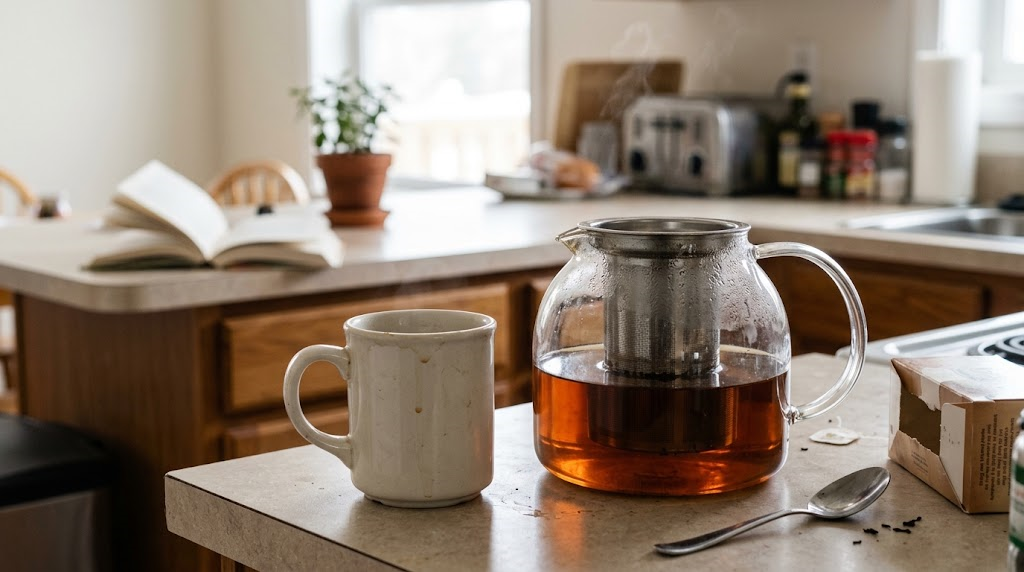
Typical Teaware Used in the West
- Main brewing vessel (300 ml and up): A large teapot, a glass teapot, or a mug with an infuser.
- Tea cups: Large-capacity mugs or breakfast cups.
- Infuser: If the tea pot lacks a built-in filter, an extra one is needed for your loose leaf tea.
The Western vs Gongfu Tea Brewing: Key Differences
Western brewing focuses on convenience and immediate enjoyment; while gongfu tea pays more attention to the entire process, from preparing the gaiwan tea set to smelling the aroma and tasting. Every step is carefully arranged to allow people to fully experience the unique flavor of the brewed tea.
| Feature | Western Brewing | Gongfu Tea Brewing |
| Ratio | 1:50 | 1:15 |
| Steep Time | 3-5 mins | 10-40s |
| Steeps | 1-2 times | 5-10 times |
| Flavor | consistent, rich, and singular | delicate and multi-layered, with a distinct “lingering sweetness” |
Leaf-to-Water Ratio
- Western brewing: Low ratio (about 1:50). Roughly one teaspoon (2-3 grams) of loose leaf tea per cup of water.
- Gongfu tea: Very high ratio (about 1:15). Tea leaves take up 30-50% of the vessel’s volume.
Steeping Time and Temperature Control
- Western brewing: Long and single steep. Standard steeping is 3-5 minutes, usually brewed only once. Varies by tea type (e.g., loose leaf green tea at 75-85°C, black tea at 90-95°C).
- Gongfu tea: Short and multiple steeps. The first steep is about 20-45 seconds, increasing slightly each subsequent time. Most oolong and pu-erh teas use high-temperature water near boiling.
Check out our guides on how to brew tea with a teapot: The Best Guide on How to Make Tea in a Teapot or brewing with a gaiwan: How to Use Gaiwan Tea Set: Best Guide to Brewing Gongfu Tea
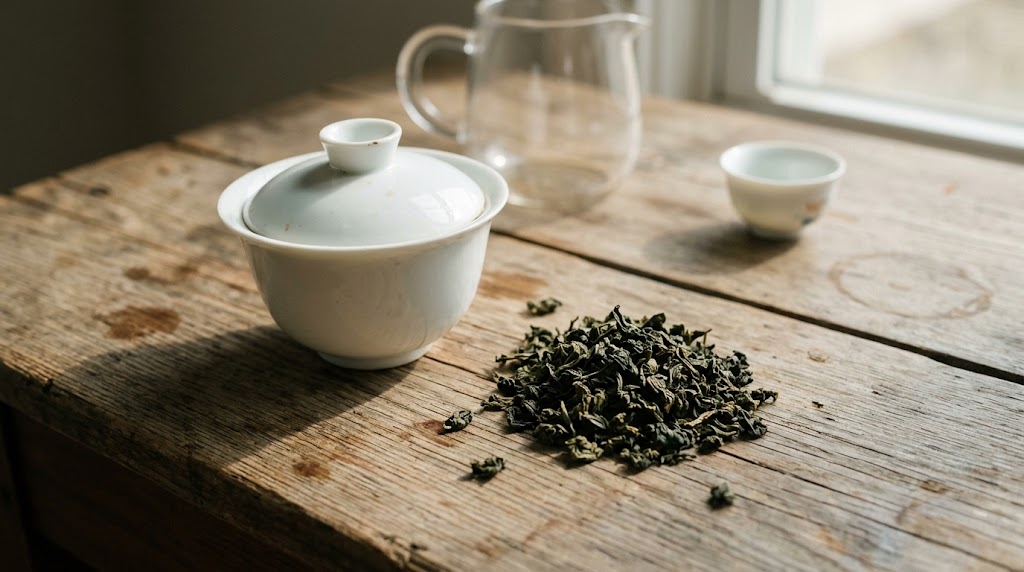
Flavor Profile and Tasting Experience
- Western brewing: Consistent, rich, and familiar flavor. Relatively crisp and light mouthfeel. Long steeping releases all substances, which may carry some bitterness.
- Gongfu tea: Multi-layered, delicate, and smooth. Mellow and full-bodied. By pouring quickly from your yixing teapot or gai wan, it avoids over-extracting bitter substances.
Choosing the Right Brewing Style for Your Tea Leaves
Best Teas for Gongfu Style
Full leaf tea with rich flavor profiles are fully showcased here.
- Oolong tea: Its tightly rolled leaves unfurl beautifully over multiple infusions, offering an exquisite taste.
- Pu-erh and dark tea: Require short, high-temperature steeps to release their earthy sweetness.
- High-quality loose leaf green tea and white teas: If water temperature is controlled properly, they can be brewed in the tea gongfu way.
Wondering what tea is suitable for this method? Read: What Tea to Use for Gongfu Tea? Guide for Your Tea Ceremony
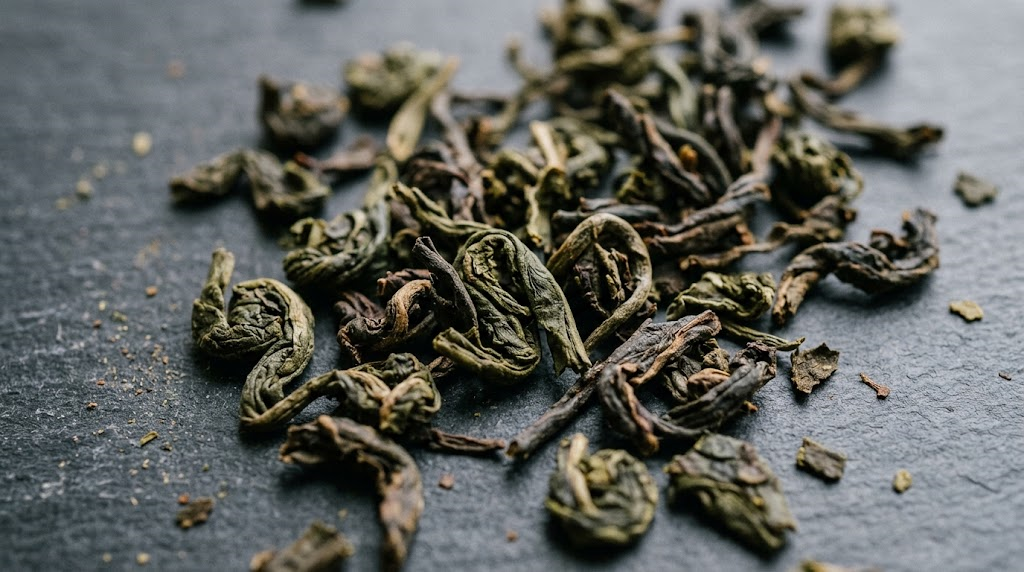
Best Teas for Western Style
Tea leaves brewed with this method are best for yielding a strong, robust cup.
- Black tea: Especially breakfast blends (like English Breakfast or Earl Grey).
- Flavored and herbal teas: Ingredients like chamomile, peppermint, or fruit pieces require a long steep to fully extract their flavors.
- Broken-leaf tea: These teas extract very quickly and are perfect for brewing a large cup all at once.
Conclusion: Elevate Your Tea Ritual
Ready to explore the art of traditional tea brewing? OURIOO’s designer series of authentic teapot set collections is intended to elevate every brewing experience. From elegant gaiwans to delicate teacups, find the perfect tools for you and begin your gongfu tea journey.
FAQ
What is the ideal ratio of Gongfu tea to water?
The standard gong fu cha water ratio is about 1:15 (i.e., 1 gram of loose leaf tea to 15 ml of water), which can be fine-tuned based on the fluffiness of the leaves and personal taste.
What type of tea is best for making gongfu?
Full leaf tea with rich flavor layers, especially Oolong and Pu-erh, are best suited for the gongfu tea ceremony to showcase their taste evolution after multiple steeps.