Blog
How Does Linglong Porcelain Work?

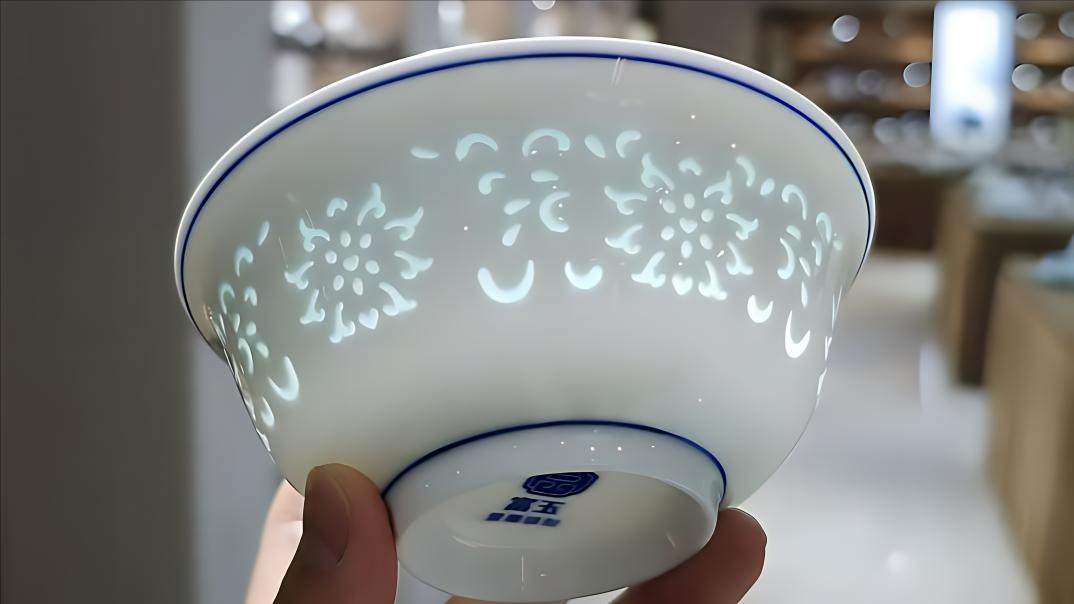
Table of Contents
Linglong porcelain is crafted by carving rice-grain-shaped holes directly through unfired clay and sealing them with a specialized translucent glaze. During high-temperature kiln firing (typically 1300°C–1380°C), the glaze melts into a solid, glass-like film held stable by surface tension. Once cooled, the opaque Chinese porcelain body features dozens of sealed, semi-transparent “windows” that let light pass through without leaking a single drop of tea.
This unique optical engineering—known in the West as rice grain porcelain—is one of Jingdezhen’s four great traditional Chinese ceramics techniques. Below is a detailed look at the history, glaze science, gongfu tea performance, and craftsmanship behind it.
What Is Linglong Porcelain (Rice-Grain Porcelain)
The Origin of Jingdezhen Hollow-Carved Porcelain
The history of hollow-carved Chinese ceramics dates back to the Sui and Tang dynasties, while pierced incense burners became especially popular during the Song Dynasty.
Legend has it that in Song Dynasty Jingdezhen porcelain, there was a type of incense burner whose lid featured hollow-carved decoration.
During firing, kiln temperatures were often poorly controlled and frequently ran too high. Combined with the glaze’s high fluidity at extreme heat, the melted glaze flowed and accidentally filled the hollow holes on the lid.
Yet when held up to the light after leaving the kiln, those filled spots glowed bright and translucent.
This accidental defect deeply inspired artisans, who finally succeeded in firing crystal-clear Linglong porcelain during the Yongle period of the Ming Dynasty, marking a milestone in Ming Dynasty porcelain.
By the Qianlong reign of the Qing Dynasty, imperial kilns produced the finest translucent Chinese rice grain porcelain, such as the Qing-era “Rice Grain” Decoration bowl now housed in the National Gallery of Art.
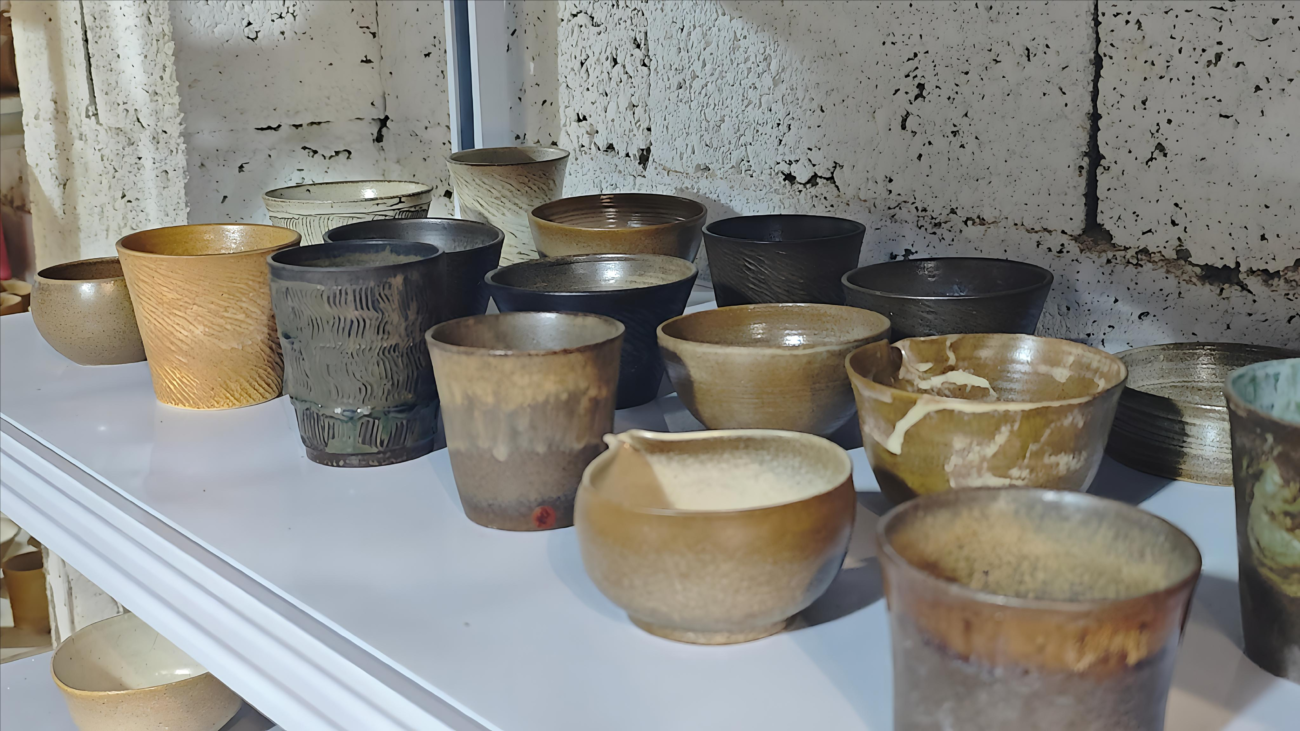
Why It Is Called “Devil’s Work” in Chinese Craftsmanship
In the history of Chinese ceramics, Linglong porcelain is hailed as “gui gong” (“devil’s work”) because its precision seems almost supernatural, as documented in Encyclopedia Britannica’s guide to Linglong ware.
Its technical difficulty lies in “pierced carving” and “glaze filling.”
Making Linglong porcelain involves shaping the clay body, carving the eyes, filling the eye glaze, drying, over-glazing, and firing—among which carving the “linglong eyes” and filling them with glaze are specialized techniques unique to Linglong porcelain.
Through hollow-carving on the porcelain body, artisans cut numerous regular “linglong eyes,” which turn into translucent luminous openings after glaze firing; they are so visually striking that it is nicknamed “porcelain inlaid with glass.”
Linglong Porcelain vs. Standard Porcelain Teacups
The aesthetic value of a Linglong porcelain tea cup is far higher than that of ordinary ceramics, but due to its hollowed structure, its physical strength is slightly lower than standard ceramics of the same thickness, and its microscopic surface structure is more complex, requiring more careful cleaning.
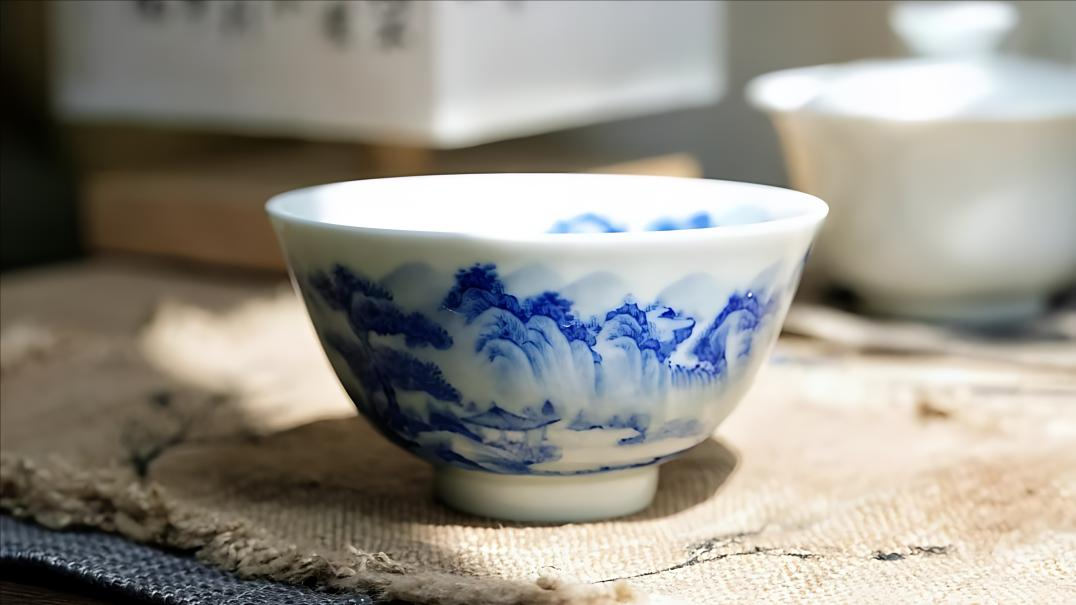
Ordinary ceramic tea cups typically have a smooth, dense glaze, a thick body, and strong impact resistance. In daily dining or home use, they can withstand high-temperature dishwasher cycles, occasional bumps, and long-term frequent friction. For example, Blue And White Porcelain Handmade Tea Cups feature a sturdy body, a 120 ml capacity, and a wide flared rim, designed specifically for effortless daily tea rituals and concentrated aroma.
How Linglong Porcelain Works: The Science of Light and Glaze
Carving the Raw Clay Before Firing
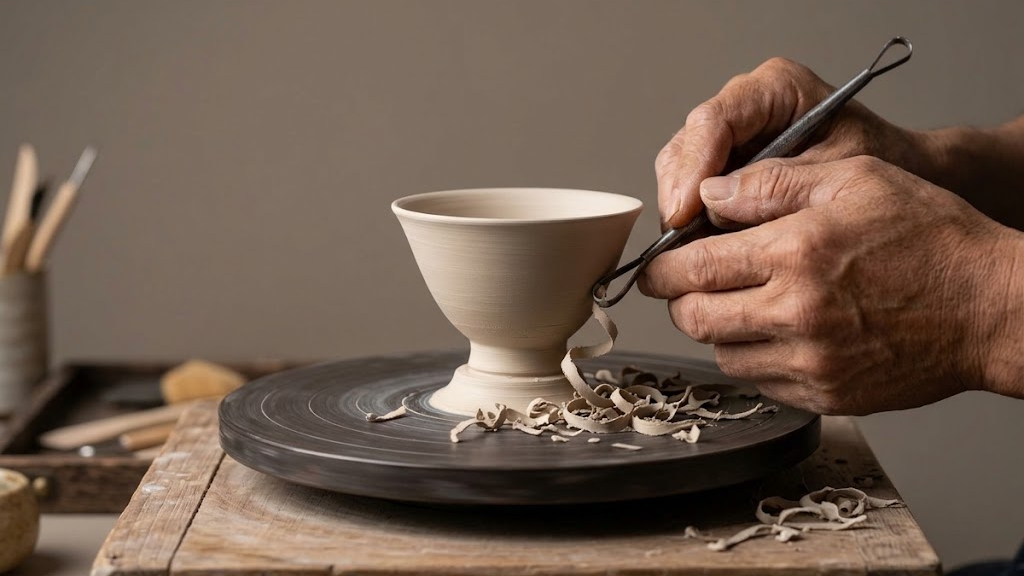
Both Linglong porcelain and blue and white porcelain are renowned traditional wares of Jingdezhen. The production process is intricate, and one of the most critical steps is carving the holes—using various knives to pierce the thoroughly dried clay body according to design patterns.
Artisans must wait until the raw kaolin clay body dries to a leather-hard, fully dried state before starting—dry enough to hold its shape, yet soft enough not to shatter.
Using specialized knives, they carve symmetrical, rice-grain-sized perforations into the clay wall, a pierced-body technique also reflected in the Brooklyn Museum’s Chinese rice grain porcelain collection. One slip of the blade ruins the entire cup.
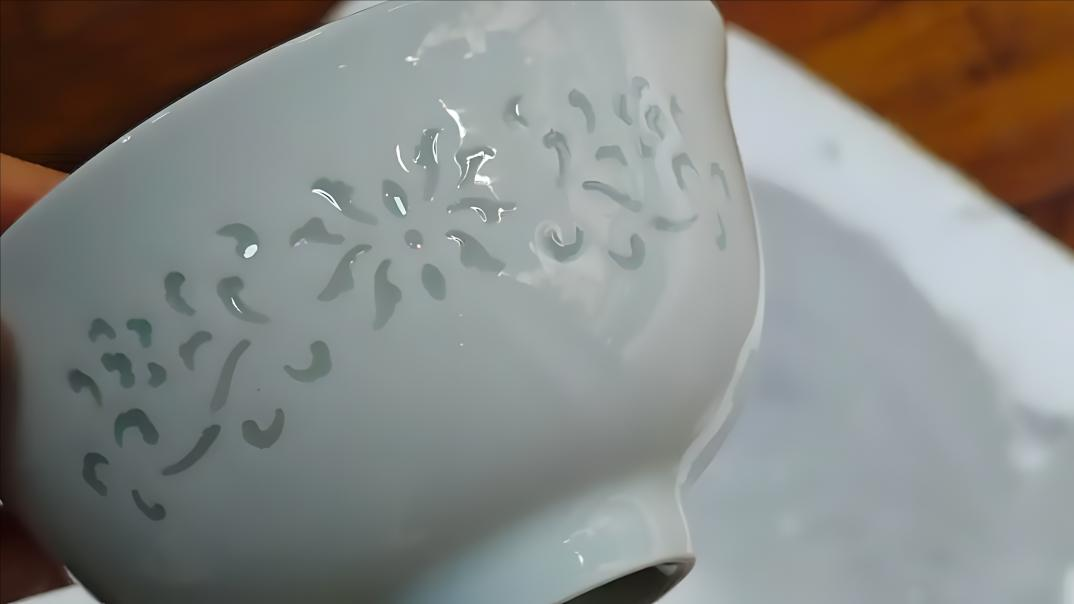
How Translucent Glaze Seals the Hollow Holes
The biggest difference between Linglong porcelain and early hollow-carved decoration is that all holes in the former must be covered with a specialized glaze; after firing, the resulting glaze layer filters light to form translucent decorative patterns, achieving an elegant and refined artistic effect.
Therefore, whether Linglong porcelain succeeds depends critically on whether the linglong glaze formula is properly balanced and whether the glaze-filling technique is executed skillfully.
High-Temperature Kiln Firing and Optical Effect
Linglong porcelain glaze is formulated with feldspar, quartz, talc, zinc oxide, and barium carbonate; the eye glaze must offer high transparency and gloss, while the surface glaze must match the eye glaze.
The “light-transmitting” effect of Linglong porcelain comes from the translucent nature of its glassy glaze layer. The clay body itself is opaque, and only the glaze inside the linglong eyes melts at 1300°C into a glass phase about 0.5–1 mm thick, partially transmitting and partially reflecting visible light to create a “light-passing yet leak-proof” visual effect.
Why Linglong Porcelain Shines in Gongfu Tea Brewing
Viewing Tea Soup Color Through a Porcelain Teacup
One of the joys of savoring gongfu tea is observing the clarity of the tea liquor.
Qianlong imperial kiln Linglong porcelain uses a thin-bodied hollow-carved craft with translucent holes and a lustrous glaze; when light passes through, it layers with the tea liquor’s color, making the soup appear softer, slightly bluish-white, or jade-like.
The glaze tone and perforations filter light so that yellow, orange, and amber tea liquors blend with the interior wall’s hue—paying attention to shifts in tone rather than just depth of color.
The Jingdezhen Linglong Porcelain Gongfu Tea Cup is crafted from premium kaolin clay, fired three times at 1380°C, and finished with a lead-free, cadmium-free glaze—allowing you to admire the jade-green glow of the tea liquor while perfectly preserving the pure aroma of your loose leaf tea.
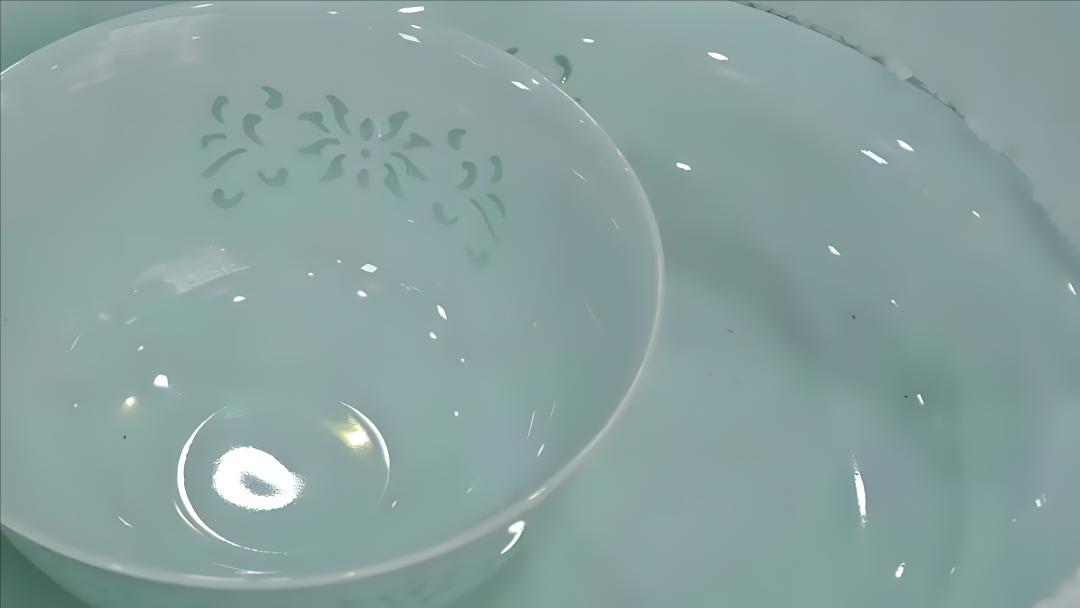
Heat Retention and Tactile Feel During a Gongfu Tea Ceremony
The heat insulation of a Jingdezhen Linglong porcelain tea cup depends on the thickness of its clay body.
A ceramic tea cup with an evenly thick body and warm glaze offers good heat retention and a comfortable grip without burning your hands, which is why many seasoned tea drinkers prefer ceramic teaware.
However, some ultra-thin, translucent Linglong porcelain tea cups on the market—though visually striking with their light-passing, leak-proof holes—suffer from poor thermal shock resistance due to overly thin walls; pouring hot water not only burns the fingers easily but also risks hairline cracking, greatly reducing durability.
A well-engineered Linglong porcelain cup solves this through smart geometry: a 30 ml linglong cup with a carefully widened rim fits the lips comfortably and lowers the risk of scalding during a gongfu tea ceremony.
Best Teas to Brew in a Linglong Porcelain Teacup
A Linglong porcelain teacup belongs to white or celadon-type Chinese porcelain teaware, featuring a dense body and smooth glaze that neither absorbs nor transfers flavors, while its clean white interior accurately reveals the tea liquor’s true color.
This type of porcelain teacup offers moderate heat retention and relatively fast heat dissipation, making it ideal for lightly oxidized loose leaf tea that prizes fresh, crisp natural flavor, as well as aromatic or bright-liquored varieties such as loose leaf green tea, white tea, and loose leaf black tea.
For full-bodied, heavily roasted tea leaves (such as aged white tea, heavy-roast rock oolong, and aged Pu-erh), its advantages are less pronounced; it is better to brew them with a Half Moon Yixing Zisha Teapot for richer aroma, handcrafted from 30-year aged Da Hong Pao (Zhuni) clay and fired at 1160°C—which helps neutralize bitterness, lock in deep aroma, and develop a natural patina over time.
How to Spot and Care for Authentic Linglong Porcelain
Real Carved Glaze vs. Cheap Printed Imitations
The linglong eyes are the soul that sets Linglong porcelain apart from other Chinese ceramics, and they are the top priority for authentication.
Signs of Authenticity: The linglong eyes (sealed, non-open holes) on high-quality Linglong porcelain are neatly arranged, evenly spaced, and smooth with rounded edges. Most importantly, check the light transmission: when held up to a light source, light should pass through evenly and softly, creating a crystal-clear, halo-like glow—proving uniform wall thickness and expert glaze filling.
Flaws of Imitations: Counterfeits often show crooked holes, uneven spacing, rough burred edges, or noticeable size inconsistencies. Under light, the glow appears patchy, uneven in brightness, or dark in spots, all caused by poor mold precision, uneven clay thickness, or inconsistent glaze coverage reflecting inferior craftsmanship.
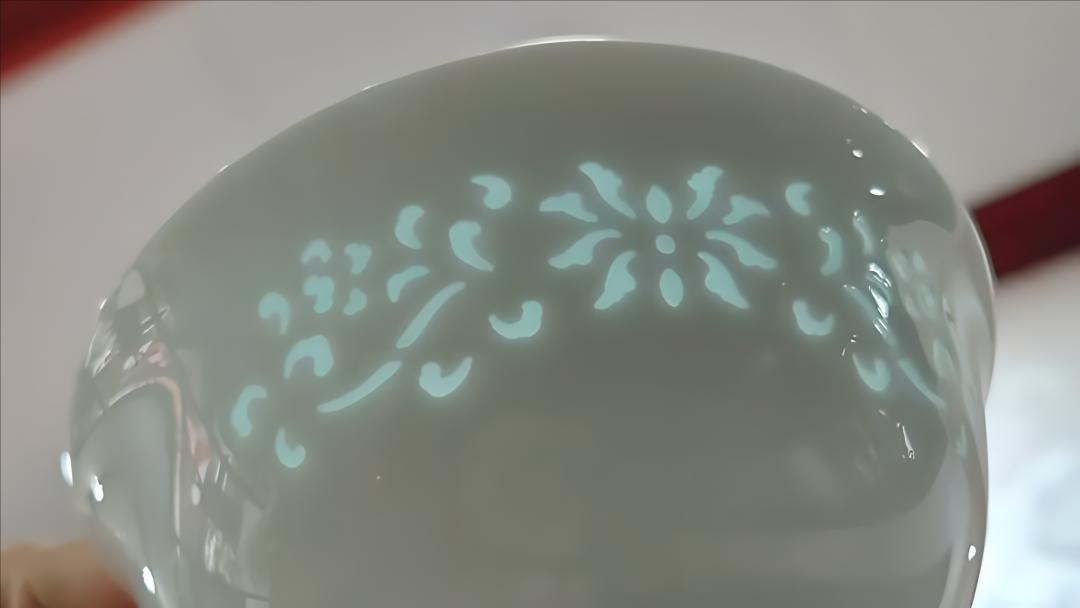
Daily Cleaning and Stain Prevention Tips
The core of caring for a Linglong porcelain tea cup is “gentle cleaning, avoiding hard scratches, and controlling temperature differences and stacking pressure,” which extends the life of the glaze luster and patterns.
Rinse Within 30 Minutes: Rinse with 40–50°C warm water within 30 minutes after use, avoiding cold water on a hot porcelain teacup that could cause glaze crazing or cracking. Wondering if mold grows in a cracked cup? See: Can Mold Grow in a Cracked Ceramic Teacup? Safe or Toss?
Soak Stubborn Stains Briefly: Dried stains can be soaked in warm water with neutral dish soap for 10–15 minutes—never exceeding 30 minutes—to prevent the edges from absorbing water and leaving water marks.
Use Soft Tools Only: Clean gently with a melamine sponge, soft-bristle brush, or soft cotton cloth and neutral detergent, focusing on the patterns and rim; never use steel wool or abrasive scrubbing pads.
Ready to Experience Translucent Teaware?
Linglong porcelain proves that a practical gongfu tea set—or a collectible Linglong porcelain tea set—can also be a miniature masterpiece of ceramic engineering. By pairing light-filtering glazed windows with neutral kaolin clay, it turns every firing and pour into a visual ritual. Whether you are upgrading your daily porcelain teacup collection or exploring traditional Jingdezhen kilns for the first time, look for evenly carved eyes, lead-free glaze, and an ergonomic rim that balances beauty with everyday comfort.
FAQ
Why are there black dots under the glaze of Linglong porcelain?
Tiny black dots under the glaze of Linglong porcelain are usually not real “stains,” but mostly natural “mineral spots” or “iron spots” in the raw clay—an unavoidable natural phenomenon in traditional handmade Chinese porcelain.
How to make Linglong porcelain?
Artisans carve tiny rice-grain-shaped holes into dried raw clay, repeatedly fill them with a specialized translucent glaze, and fire the piece at over 1300°C so the glaze melts into watertight glass windows.