Blog
Porcelain vs Ceramic Teacups, Which Is the Best?

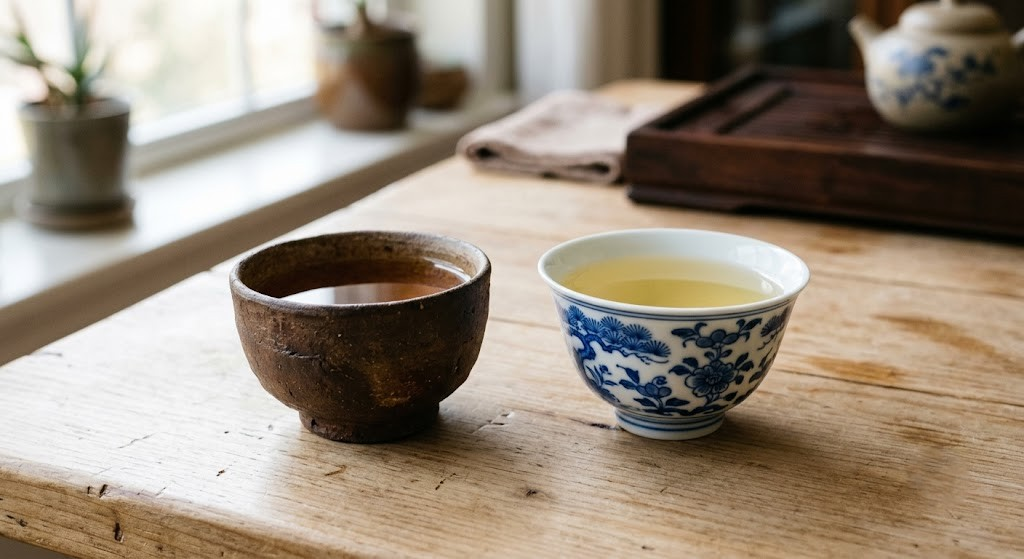
Table of Contents
Drinking tea is not only a lifestyle habit, but also a feast for the senses and a practice of spiritual cultivation through culture. Most people only focus on the teapot, knowing to choose a better Zisha teapot or a ceramic teapot, while overlooking the importance of the teacup. In fact, the material, shape, and even the inner wall of a teacup quietly influence the temperature, aroma, and taste of the tea liquor.
Among the many choices of teaware, porcelain teacups and ceramic teacups are the two main mainstream camps. One is exquisite and elegant, while the other is simple and natural. Which material is the “perfect match made in heaven” to elevate the tea-drinking experience? This article will deeply analyze the mysteries of porcelain tea cups and ceramic tea cups from multiple dimensions, including sintering processes, their effects on tea liquor, and aesthetic conceptions.
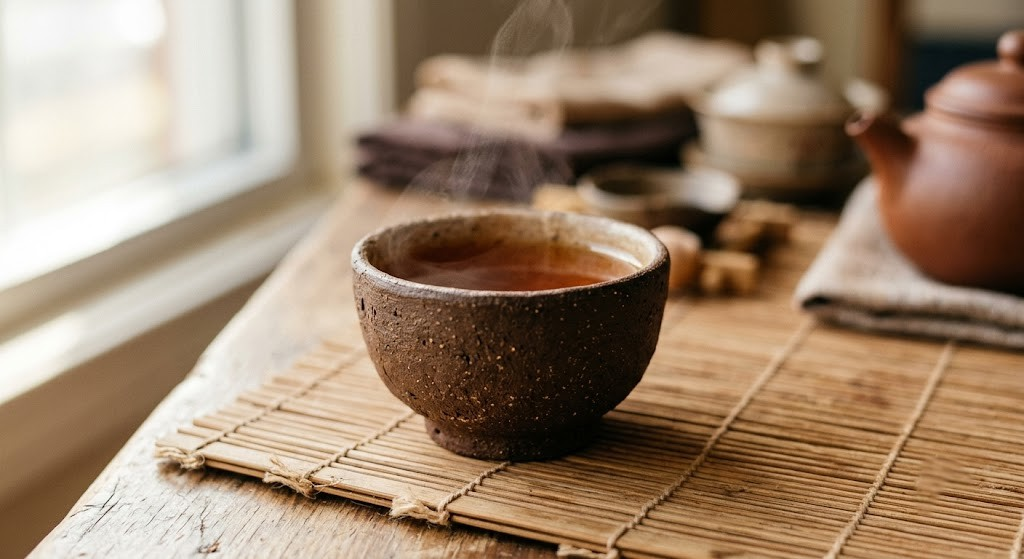
What Is a Ceramic Teacup
It is the representative of simplicity and nature. The firing temperature of ceramic ware is usually below 1200°C; most ceramics will burn hollow or melt away after the temperature exceeds 1200°C.
Main Raw Material
Clay, which contains more impurities and larger pores.
For more: Glazed vs Unglazed Ceramic Teacups: Which Is Right for You?
Features
Porous structure; good adsorption properties, making it easy for tea stains to remain, which requires timely cleaning, otherwise odors are prone to develop.
Capable of absorbing aroma components from the tea liquor; it can gradually accumulate tea fragrance.
Of course, these are limited only to unglazed ceramics; glazed ceramics do not have these problems.
For more: How to Hold a Teacup Properly?
What Is a Porcelain Teacup
A symbol of refinement and elegance, the firing temperature of porcelain is generally between 1200°C and 1300°C.
Main Raw Material
Kaolin, which has a fine, smooth texture and can withstand very high temperatures.
Features
Extremely low water absorption rate, making it difficult for residue to remain on the surface, and easy to clean.
Fast heat transfer speed and relatively good heat retention performance, suitable for brewing tea leaves that require higher water temperatures.
The porcelain surface is smooth and translucent, with rich and diverse colors and exquisite forms.
Porcelain vs Ceramic Teacups: Effects on Tea Liquor
The material of the tea cup not only affects the appearance of the teaware, but also exerts an important influence on the aroma, taste, and color of the tea liquor.
For more: How Much Loose Leaf Tea Per Teacup?
Ceramic Teacups
Mellow and Lingering Tea Liquor
Ceramic cups can adsorb aroma, making the brewed tea liquor mellow and lingering.
It is suitable for brewing some aged old teas. For instance, aged Pu-erh tea and aged dark tea naturally possess a rich, aged fragrance; a ceramic cup can further enhance this aroma, making it more mellow and lingering.
Maintaining Tea Aroma
In addition, ceramic cups have good heat retention performance, which can maintain the temperature of the tea liquor for a longer period, helping the continuous release of aroma components in the tea leaves.
Prone to Flavor Cross-Contamination
The adsorption property of ceramic cups is also a double-edged sword. If you frequently switch between different types of tea, the ceramic cup may retain the tea aroma from the previous time, leading to flavor cross-contamination. Therefore, when using ceramic cups, it is best to stick to one or a few types of tea to maintain the purity of the aroma.
Tea Liquor Taste Diluted
Furthermore, the water absorption of ceramic cups will dilute the taste of the tea liquor to a certain extent. Consequently, when brewing some highly aromatic teas, it may reduce the intensity of their aroma.
Porcelain Teacups
Restoring the Original Flavor
Fresh and natural porcelain teacups have a smooth surface and absorb almost no tea aroma, so they can excellently restore the original flavor of the tea liquor. When brewing teas with fresh aromas such as green tea and white tea, porcelain cups can highlight their fresh, brisk taste and natural fragrance.
For example, when brewing Longjing green tea with a white porcelain cup, the color of the tea liquor is clear and bright, and the aroma is fresh and elegant, allowing people to experience the most original flavor of green tea.
For more: What Kind of Teacup Brings Out the Best in Different Tea?
Releasing Aroma in a Short Time
Porcelain transfers heat quickly and can rapidly transfer the heat of hot water to the tea leaves, allowing them to fully release their aroma and taste in a short period. This characteristic makes porcelain cups suitable for brewing teas that require higher water temperatures, such as black tea and Oolong tea.
Cooling Faster
Porcelain tea cups usually cool down faster, allowing tea drinkers to enjoy their tea earlier after pouring. This trait is beneficial for delicate teas that are most pleasant at slightly lower temperatures.
Displaying the Quality of Tea Leaves
In addition, the low water absorption of porcelain ensures that the tea liquor will not be affected by the cup’s material, which can better display the quality of the tea leaves, while having almost no effect on increasing or decreasing the flavor intensity of the tea liquor.
Aesthetic Experience: Simple Beauty vs Exquisite Beauty
The collision of simplicity and refinement shows that the choice of teaware is not only a consideration of practicality, but also a reflection of aesthetic taste. Ceramic tea cups and porcelain tea cups each have their own merits in terms of aesthetic value, reflecting different cultural connotations and aesthetic pursuits.
Ceramic Tea Cup: Simple Beauty and Natural Charm
Handmade Craftsmanship
The simple texture of ceramic tea cups and the traces of handmade artistry give them a unique charm. Its surface texture is coarse and its colors are natural, giving people a sense of returning to simplicity and truth.
Minimalist Shapes
The shapes of ceramic teacups are usually relatively minimalist, with smooth lines, and are rich in natural beauty. This simple aesthetic aligns with traditional tea ceremony culture, making it especially suitable for use in tea art occasions that emphasize a natural, simple atmosphere.
For more: 10 Types of Chinese Tea Cups: Are You Drinking It Right?
Simple Colors
The colors of ceramic teacups are mostly dominated by deep brown; these colors give people a warm, steady feeling and can blend harmoniously with the natural environment. When pairing with tea leaves, ceramic cups complement aged teas that carry a sense of time, such as old white tea and aged dark tea, the most.
These teas naturally possess rich, aged aromas and mellow tastes, which echo the simple texture of ceramic cups, creating a peaceful and far-reaching tea-tasting atmosphere.
Porcelain Tea Cup: Exquisite Beauty and Elegant Posture
Exquisite Shapes
The smooth, translucent nature and exquisite shapes of porcelain cups make them classics among teaware.
Common porcelain colors include white porcelain, celadon, blue and white porcelain, and so on. Among them, white porcelain is the most versatile, mainly because many people like to observe the color of the tea liquor, making it suitable for brewing various types of tea.
With its pure white color and minimalist shape, the white porcelain cup displays an elegant, fresh beauty, suitable for pairing with all types of tea.
Classical and Exquisite Patterns
Celadon and blue and white porcelain cups, with their unique colors and exquisite patterns, showcase a classical, elegant temperament. Porcelain comes in diverse shapes, from minimalist straight cylinders to complex carved cups, all of which can satisfy the aesthetic needs of different users.
Long History and Culture
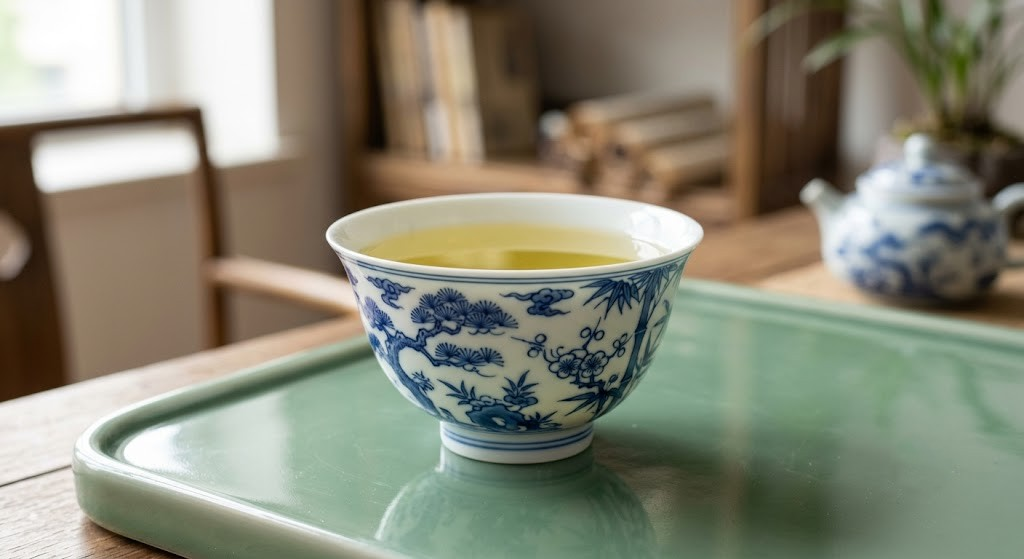
The aesthetic value of porcelain teacups is reflected not only in their appearance, but also in their cultural connotations. Porcelain is one of the important symbols of traditional Chinese culture, carrying a long history and profound cultural heritage.
In the gongfu tea ceremony, the use of porcelain is not just for tasting tea, but is also a way to inherit and carry forward traditional culture. The exquisite beauty of porcelain and the elegant posture of the tea ceremony complement each other, creating an elegant and serene tea-tasting atmosphere.
Conclusion: Finding the Teacup That Belongs to You
In the battle of “Porcelain vs Ceramic”, there is actually no absolute winner or loser, only “suitability”.
If you pursue the most authentic, original flavor of the tea liquor, like to appreciate the clarity of green tea or the delicate fragrance of Oolong, and prefer exquisite, modern, and easy-to-care-for teaware, then a porcelain teacup is definitely your top choice.
If you are fond of the passage of time accumulated in old teas, love the mellow and lingering qualities of Pu-erh and dark tea, and long for a tea-drinking realm of “returning to nature, where great artistry appears unadorned”, then an unglazed ceramic/clay teacup that can “grow” together with the tea will bring you infinite surprises.
The charm of the tea ceremony lies in its inclusivity. You might as well prepare a few styles of each on your tea table, and switch them freely according to today’s tea selection and mood, so as to truly enjoy the pleasure of tea tasting, where “the vessel is the father of tea, and water is the mother of tea.”
FAQ
Porcelain vs. ceramic: which is better for tea?
It depends on your tea choice:
Porcelain: Best for delicate teas (Green, White, Oolong). Its smooth surface doesn’t absorb aromas, delivering 100% pure flavor.
Ceramic (Unglazed): Best for dark or aged teas (Puerh, Black). Its porous walls hold heat longer and naturally smooth out bitterness.
Do ceramic cups change the taste of tea?
Yes, but only if the inside is unglazed.
Unglazed Ceramic: Acts like a micro-sponge, absorbing tea oils and tannins over time to reduce bitterness and add depth.
Glazed Ceramic: Completely neutral. The glassy coating seals the surface, meaning it will not alter your tea’s flavor at all.
One thought on “Porcelain vs Ceramic Teacups, Which Is the Best?”